If you’re learning to drive, there are some important changes to the UK driving test booking system that could affect how you plan your test.
The
Driver and Vehicle Standards Agency (DVSA) has introduced new measures designed to make the system fairer for learner drivers and tackle misuse of the booking system.
DVSA Chief Executive Loveday Ryder said “The changes we’re making will give learners more control over their booking and help make the system fairer.”
Here’s what’s changing — and what it means if you’re preparing for your practical driving test.
Can Driving Instructors Still Book Driving Tests?
Learner Drivers Must Book Their Own Test
One of the biggest changes is that learner drivers must now book and manage their own driving test.
This means driving instructors and third-party services can no longer manage bookings on a learner’s behalf in the same way as before.
The DVSA says this move is intended to prevent unofficial booking services from reserving appointments and reselling them at inflated prices.
For learner drivers, the key takeaway is simple: if you’re planning your practical test, make sure you’re using the official DVSA booking service.
How Many Times Can I Move My Driving Test in 2026?
You Can Only Change Your Test Booking Twice
Previously, learners had more flexibility to rearrange test bookings.
Under the updated rules, you can now make only two changes per booking, whether that’s changing the date or switching test centres.
That means booking too early before you’re genuinely ready could leave you with fewer options later.
Before booking, it’s worth considering:
- Whether your instructor believes you’re test-ready
- Whether your availability is likely to change
- Whether you’re booking a realistic test location
A little planning could help you avoid unnecessary stress.
Can You Still Move Driving Test Location When Rebooking?
There Are Now Restrictions on Changing Test Centres
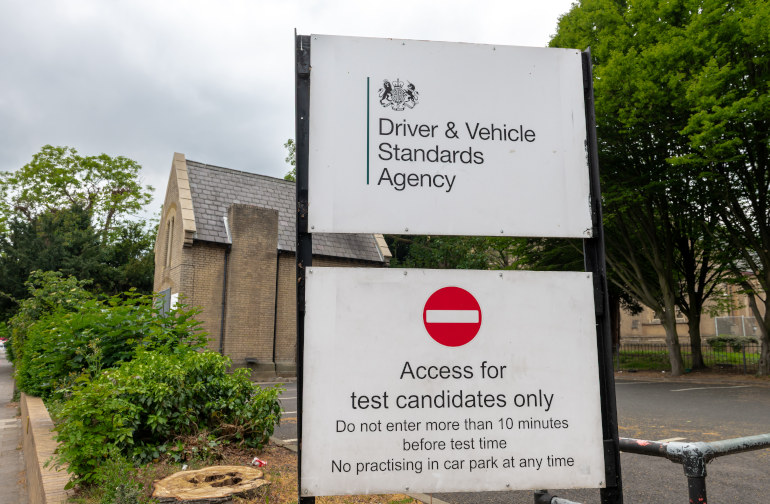
Another update affects where you can move your test booking.
Rather than switching appointments freely across the country, learners will now face tighter restrictions when changing test centres.
While learners can still initially book a test at any centre, changes made after 9 June 2026 will be limited to the same test centre or one of the three closest alternatives.
This is designed to stop speculative bookings and improve fairness for learners trying to secure genuine appointments.
Why Are These Changes Happening To Driving Tests in 2026?
Driving test waiting times have been a frustration for many learner drivers across the UK.
According to the DVSA, these changes are part of a wider effort to reduce exploitation of the booking system and make access fairer for genuine learners.
Transport Minister Simon Lightwood said:
“These new measures will protect learner drivers from being exploited and make sure driving test appointments are allocated more fairly.”
For learners, that should mean a fairer booking process — but also less flexibility if plans change.
Why Learner Drivers Were Paying Over the Odds for Test Slots
One of the biggest reasons behind these rule changes is the rise of unofficial booking services and automated bots snapping up driving test appointments in bulk.
With practical test wait times remaining high across much of the UK, some companies and individuals were securing appointments at scale, only to resell them to desperate learner drivers at heavily inflated prices.
In its December 2024 statement to Parliament, the DVSA acknowledged that “thousands have had to wait many months for a test, with some being exploited by businesses taking advantage of long waiting times.”
The National Audit Office also reported that some learners were paying up to eight times the standard test fee through third-party sellers.
In some cases, people paid up to £500 to third parties, which the NAO notes is "a significantly higher price than DVSA's standard weekday test fee of £62".
That creates a frustrating cycle: genuine learners struggle to find appointments, demand for unofficial services increases, and prices continue to climb.
Figures from 2024 show the waiting time for tests:
England: nearly
21 weeks Scotland: over
15 weeks Wales: around
13 weeks
More recent watchdog reporting found the Great Britain
average reached 22 weeks on average in late 2025, with 70% of test centres hitting the 24-week maximum booking window.
The DVSA also noted in January that
attempts to cheat on driving tests in Britain had soared by 47% in a year. It said there was no evidence to link that with the backlog.
The new rules are designed to break that cycle by putting bookings back in the hands of learners and making it harder for automated systems or resellers to dominate the process.
Stopping people reselling tests for profit
Simon Lightwood, Minister for Roads and Buses, said:
“This government inherited record waiting times and a huge backlog of learners waiting for tests, with the system seeing too many people paying over the odds to third-party touts.
But we’re taking action and seeing results, delivering almost 2 million tests over the past year, more than 158,000 extra tests since June 2025, and military driving examiners now on the ground helping boost capacity across the country.
These new rules put learners back in control by stopping others from snapping up tests and reselling them for profit, helping make the system fairer and ensuring tests go to the people who genuinely need them.”
Beverley Warmington, DVSA Chief Executive, said:
“Our priority is to stop learners being exploited by third parties, put them in control of their driving test and make the process fairer by clamping down on businesses that resell tests at inflated prices.
These new measures help bring a halt to a system where the use of bots and third parties increases the amount some learners pay for a test and blocks test availability for many others. These measures will help free up appointments for genuine learners who are ready to take their test.
We’re determined to reduce waiting times further, building on the more than 158,000 additional tests delivered between June 2025 and March 2026 - supported by driving examiner numbers at their highest level since 2018 and the recent deployment of military driving examiners who are already carrying out tests.”
Driving Instructors Are Still There to Help
While one of the biggest changes means learners must now manage their own bookings, that doesn’t mean driving instructors are stepping away from the process.
The DVSA has worked directly with the driver training industry ahead of these changes, briefing Approved Driving Instructors (ADIs) so they can help learners understand what’s changing.
Although instructors can no longer complete bookings on your behalf, they can still offer practical support, from helping you decide when you’re genuinely test-ready to choosing a suitable test centre and explaining how the updated rules work.
According to DVSA guidance, learners can still receive support from parents, instructors or others when booking, including help with language barriers or accessibility needs — but the booking itself must be completed by the learner.
A few key points to keep in mind:
- Your instructor can help you prepare, but they cannot complete the booking for you If you need to swap test dates with another learner, both learners must arrange this directly with the DVSA
- Third-party booking bots and cancellation-finding apps are no longer permitted
- If the DVSA cancels your test, it won’t count towards your two allowed booking changes
- If you cancel and rebook, your booking change allowance resets
To help make things easier, we’ve included the full
DVSA FAQs at the end of this article so you can read the official guidance for yourself.
What Should Learners Do Next?
If you’re preparing for your practical test, timing matters more than ever.
A rushed booking might seem tempting when appointments are limited, but with fewer opportunities to make changes, choosing the right time is more important.
Before booking, ask yourself:
- Has your instructor said you’re ready?
- Can you realistically make the date you’re choosing?
- Is your chosen test centre practical for lessons and test day?
If you’re still building confidence behind the wheel, spending a little more time practising now could save frustration later.
Passing Your Driving Test in 2026 Comes with New Challenges
Learning to drive already comes with enough pressure, so changes to the booking process may feel like another hurdle.
But according to the DVSA, the aim is to make the system fairer and give learner drivers more direct control over their journey to test day.
For learners, the message is simple: book when you’re genuinely ready, choose your test date carefully, and use the official DVSA service to avoid unnecessary setbacks.
Frequently Asked Questions
Who can book and manage a driving test?
From 12 May, only the learner taking the driving test can book and manage their test. Others can support them, but the learner must complete the booking themselves.
Can parents, instructors or others help a learner book a test?
Yes. Learners can still receive support from parents, instructors or others, including help with disabilities or language barriers, but the booking must still be made by the learner.
Will learners use a new booking system?
No. Learners will continue using the existing GOV.UK driving test booking system.
Are there any new security checks when booking?
Learners will need to complete a self-declaration confirming they are the person taking the test and agree to the terms and conditions. No extra identity checks are being introduced at this stage.
Do learners need an email address to book?
Yes. An email address is required so learners can receive important updates about their booking.
How many times can a learner change their test?
Learners can change their test date or location up to two times. After that, no further changes can be made unless they cancel and rebook.
Does cancelling a test reset the change limit?
Yes. Cancelling and rebooking resets the two-change limit.
If the DVSA cancels or rearranges a test, does it count towards the two-change limit?
No. Learners are not penalised if the DVSA makes changes to their booking.
Does the DVSA run or approve a driving test swap system?
No. The DVSA does not run, approve or endorse any test swap websites or services. Learners must arrange swaps themselves.
How do driving test swaps work?
If two learners agree to swap tests, the DVSA can process the swap over the phone. Both learners must be available at the same time so their identity and consent can be confirmed.
Can instructors swap tests on behalf of learners?
No. Instructors cannot request or complete swaps, although they can help facilitate conversations between learners.
Will learners or instructors receive confirmation after a swap?
No. There is currently no confirmation email issued after a swap is completed.
Can instructors still see available driving test slots?
No. Only learners will be able to see available tests when booking.
Will instructors see learner-booked tests in OBS?
No. OBS only shows tests booked directly by the instructor, not bookings made by learners.
Are cancellation-finding apps or test-finding bots allowed?
No. Third-party apps, bots and automated booking services now breach the booking system’s terms and conditions.
What happens if the terms and conditions are breached?
The DVSA may issue warnings, request additional information, revoke booking access, reschedule or cancel bookings, and report unauthorised access attempts to law enforcement.
Will the new rules reduce waiting times?
Not directly. The DVSA says these changes are focused on fairness and improving access, rather than immediately reducing waiting times.
Will DVSA call centre opening hours be extended?
No. Opening hours were already extended to 8am–5pm in February 2026, with no further changes planned.
Can learners still book tests at non-local test centres?
Yes. Learners can initially book at any test centre, but from 9 June, any changes will be limited to the three closest test centres.
If an instructor originally paid for the test, who gets the refund if it’s cancelled?
Refunds are returned to the original payment method, whether that’s a payment card or pre-funded account.