Eventually, any motorist in the UK will have to put their vehicle through for an MOT inspection, no matter what the vehicle class.
Majority of motor vehicles have rear reflectors as a legal requirement; therefore, these are thoroughly examined during an
MOT test.
This article will explain how vehicle rear reflectors can fail your MOT through the lens of the DVSA MOT guideline and how to avoid MOT failure in this category.
What Is a Rear Reflector on a Vehicle?
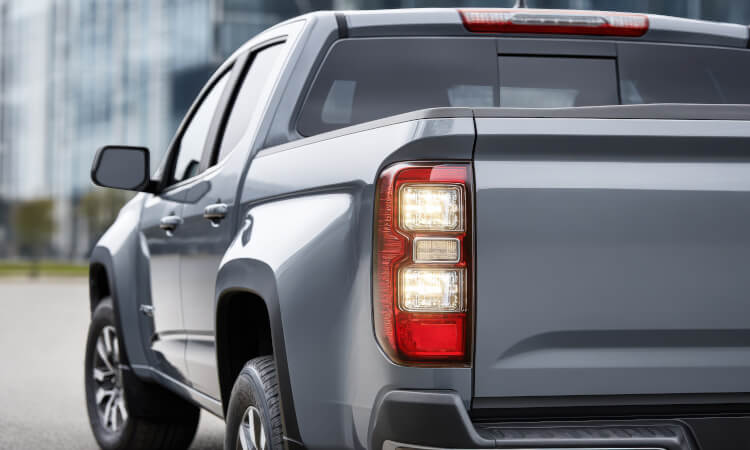
A rear reflector is a safety component fitted to the back of a vehicle that bounces light from other road users’ headlights back toward them – making your vehicle visible in low light or darkness, even when it’s parked.
They are designed to improve visibility without needing an electrical connection, meaning they still work when your vehicle is switched off.
Cars,
vans, HGVs, and motorcycles are legally required to have at least one or two red rear reflectors, depending on the vehicle type and width.
These reflectors must be positioned symmetrically at the rear of the vehicle and show a red reflection when illuminated.

Can My Rear Reflectors Fail the MOT Test?
Yes, a faulty or missing rear reflector can cause your vehicle to fail its MOT.
During the test, MOT examiners inspect the presence, condition, colour, and position of your vehicle’s mandatory red rear reflectors.
These are checked visually to ensure they’re securely attached, properly aligned, and reflecting the correct colour to the rear.
According to
DVSA MOT guidance, a fail can occur for several reasons:
- Missing reflectors: If one or both mandatory rear reflectors are missing, the vehicle will fail its MOT.
- Incorrect colour: Rear reflectors must reflect red light – if they reflect white or any other colour, this is a major fault.
- Damage or deterioration: A reflector damaged by more than 50% of its surface area is considered a major defect. Minor damage below this level may receive a minor defect notice but still pass the MOT.
- Poor attachment or risk of detachment: A loose reflector that looks likely to fall off during use will result in a major fail.
- Incorrect position: Reflectors must be positioned symmetrically at roughly the same height and distance from each side of the vehicle. A misplaced reflector may receive a minor defect notice.
Reflective tape is not considered an acceptable substitute for a proper rear reflector – even if it appears to work in a similar way.
Vehicles that only operate during daylight hours and are not used in conditions of reduced visibility may be exempt, but for most motorists, having compliant reflectors fitted is a legal requirement.
If yours are missing, broken, or reflecting the wrong colour, your car will not pass its MOT until they’re repaired or replaced.
How to Avoid Rear Reflector MOT Fail
Keeping your vehicle’s rear reflectors in good condition is simple, but it does require occasional attention.
Regular checks and basic maintenance can make all the difference when it comes to avoiding an unnecessary MOT failure.
Here’s how to keep your reflectors in top shape:
- Perform regular visual checks – Before your MOT, take a moment to walk around your vehicle and inspect the rear reflectors. Make sure they’re securely fitted, clean, and free from cracks or fading. A quick look can save you from a failed test.
- Wash your car regularly – Keeping your vehicle clean helps maintain the clarity of the reflectors. Dirt, grime, or road salt can build up and reduce reflectivity, especially during winter months.
- Ask your garage to check them – If you’re unsure about their condition, ask your local garage to inspect the reflectors during your next
car service. Technicians can easily assess the alignment and surface condition while carrying out other maintenance.
- Replace aged or worn reflectors – For older vehicles or those often used in harsher conditions (like vans or HGVs), consider periodic replacement.
By checking and maintaining your reflectors throughout the year – not just before your MOT – you’ll greatly improve your chances of passing first time while ensuring your vehicle stays safe and visible on the road.
My Rear Reflector Has Failed on MOT: What Now?
If your MOT test has failed due to a rear reflector issue, the good news is that it’s usually a quick and inexpensive fix.
Most garages will likely replace a faulty or missing reflector on the same day, often at minimal cost.
After passing the retest, take the opportunity to maintain your reflectors regularly.
Keep them clean, ensure they remain firmly attached, and check them occasionally after car washes or long drives, when vibrations and dirt might affect their condition.
While a failed rear reflector might seem like a small issue, it’s an important part of your vehicle’s overall safety – helping other drivers see you at night or in poor weather.
By staying proactive with simple checks, you can keep your car road-legal, safe, and ready to pass its MOT with ease.
Rear Reflector MOT Fail: Frequently Asked Questions
How many rear reflectors does a car need?
Most cars need 2 red rear reflectors fitted at the rear of the vehicle to pass the MOT test.
Does colour matter?
Yes, they must be red. If your rear reflectors are white, amber, or any other colour, it is a major fault.
Can I use red reflective tape instead?
No, inspectors look for rigid, distinct red reflectors. As tape is not secure it is not considered an acceptable alternative to factory-fit red reflectors.