Dash cams have gone from a niche gadget to a genuinely common sight on UK dashboards. With National Dash Cam Day falling on the 5th of August, it's a good moment to ask whether one is actually beneficial. The short answer for most drivers is yes – but it's worth understanding exactly what a dash cam does, and doesn't do, before you buy one.
What does a dash cam actually do?
A dash cam is a small camera mounted on your windscreen or dashboard that continuously records the road ahead as you drive. Many models can also be paired with a second rear-facing camera, giving you footage of what's happening behind you.
Rather than just capturing dramatic footage for social media, the real value is practical. If you're ever involved in a collision, a near-miss or a dispute with another driver, you have an independent, timestamped record of exactly what happened. That beats relying on memory or conflicting accounts.
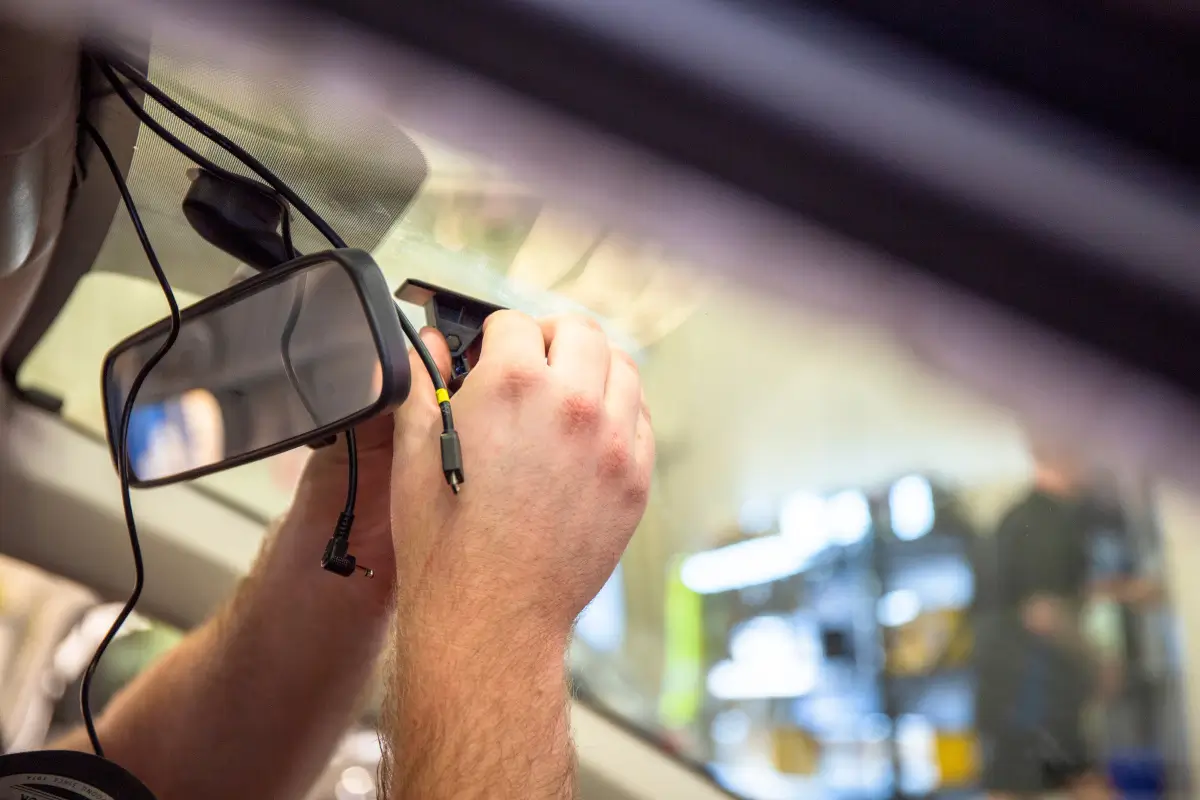
Evidence in a crash or dispute
This is the single biggest reason drivers fit a dash cam. Footage can support an insurance claim, help establish who was at fault after a collision and settle disputes that would otherwise come down to one driver's word against another's. It's also one of the most effective tools against so-called "crash for cash" scams. This is where a fraudulent driver deliberately causes a collision, often through a sudden, unnecessary brake check, to make a bogus injury or damage claim. Clear dash cam footage showing exactly what happened can stop a fraudulent claim in its tracks.
Does a dash cam lower your car insurance?
This is one of the most commonly searched questions on the topic, and it's worth answering carefully. Blanket discounts from the biggest UK insurers are less common than they used to be. Many mainstream providers no longer knock a set percentage off simply for fitting a camera, though a handful of specialist and dash-cam-friendly insurers still do.
The more consistent benefit, though, is indirect rather than an upfront saving. Dash cam footage helps prove you weren't at fault after a collision, which protects your no-claims discount and speeds up the claims process. That tends to matter more for your premium over time than any headline discount. It's always worth checking with your own insurer directly, since offers and policies change.
Protection against theft and vandalism
Many dash cams include a "parking mode", which keeps the camera recording (or triggers it via motion or impact sensors) even while the car is switched off and parked. This can capture footage of anyone tampering with, breaking into, or hitting your parked car, which is useful evidence to have if the worst happens while you're not around.
Front-only vs front-and-rear cameras
A front-facing camera alone covers the most common type of incident: what happens directly ahead of you. But a front-and-rear (or even 360°) setup gives fuller protection. It is particularly useful if you regularly reverse into tight spaces, park on busy streets, or want to be covered from every angle, not just the front.
Is a dash cam a legal requirement in the UK?
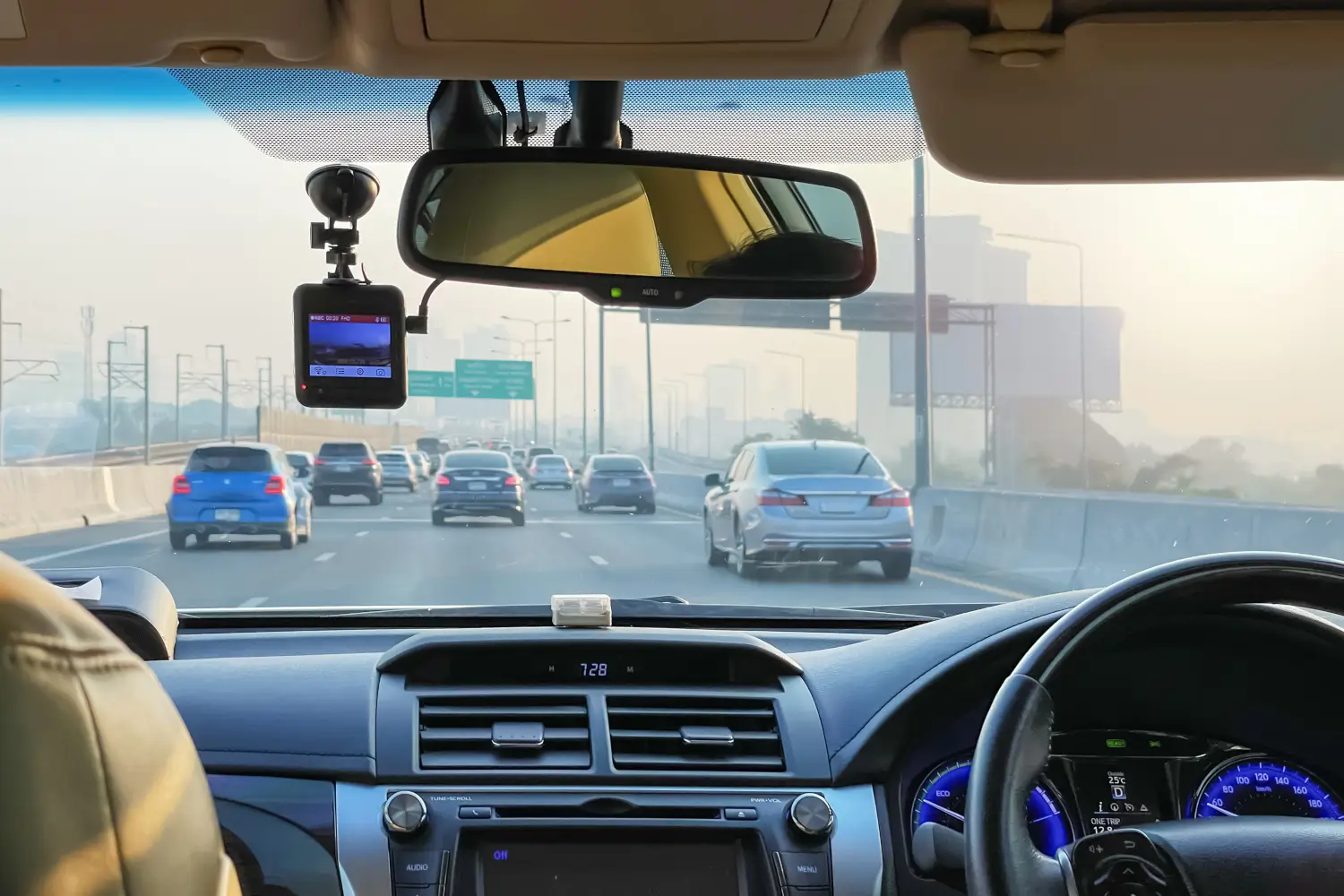
No. Dash cams aren't mandatory for driving in the UK – they're entirely optional. They are, however, legal to use, and their popularity has grown steadily as more drivers see the benefit of having their own record of what happens on the road. The one rule worth keeping in mind when fitting one is positioning. Mount it so it doesn't obstruct your view of the road, typically just behind the rear-view mirror, and there's nothing else you need to arrange.
Are dash cams worth it for new and young drivers?
Particularly so. Newer drivers may feel less confident or more exposed to disputes on the road. A dash cam gives them a clear, independent record if something goes wrong, without changing how the car drives or performs. It's simply a safety net running quietly in the background.
Do I still need a dash cam if my car already has built-in cameras?
Increasing numbers of newer cars, especially EVs, come with their own built-in cameras – Tesla's Sentry Mode and dash cam features are the best-known example. These can be genuinely useful, but they're not usually a full replacement for a dedicated dash cam. Built-in systems tend to rely on cameras designed for driver-assistance features rather than video quality, so resolution and field of view are often more limited.
Many only save footage when manually triggered or through a paid subscription, rather than continuously and automatically. If your car already has a built-in system, it's still worth adding a proper dash cam alongside it. You'll get sharper footage, a reliable parking mode and evidence your insurer will readily accept.
Is it legal to film and share footage of other drivers?
Recording other road users is legal in the UK – it's what makes dash cam footage useful for insurance claims and reporting dangerous driving in the first place. For ordinary personal use, a dash cam usually falls under the household-use exemption from the stricter parts of GDPR. That means you don't need to register with the Information Commissioner's Office or display a warning sticker.
Where it gets more sensitive is sharing footage publicly. Posting a clip that clearly shows someone's face or number plate can count as processing personal data. There's specific guidance warning against using footage to name and shame other drivers online. If you want to share a clip publicly, blur identifying details first – or better, send it straight to the police or your insurer, where it's most useful anyway.
Plug-in or hardwired?
Most dash cams are simple to fit yourself, plugging into a 12V socket, and that's more than enough for the vast majority of drivers. A hardwire kit is a neater option, with no cable trailing across your windscreen or dashboard, and is worth considering if you specifically want continuous parking mode protection.
This is because it draws power directly from the car's battery rather than relying on the ignition being on. It's not essential to get started, though, and a plug-in setup serves plenty of drivers perfectly well.
So, is a dash cam worth it?
For the vast majority of UK drivers, yes. The upfront cost is modest compared with the potential protection it offers: an independent account of any incident, added defence against crash-for-cash fraud and, depending on your insurer, a possible impact on your premium or claims process.
Whether it's worth it for you specifically often comes down to how much you drive and where. Regular commuters and anyone doing a lot of urban or high-traffic driving tend to see the most benefit.
National Dash Cam Day
National Dash Cam Day falls on 5 August each year, raising awareness of how dash cam footage can help make UK roads safer. It's run alongside the National Dash Cam Safety Portal (NDCSP), a Nextbase-built tool that lets drivers submit footage of dangerous or careless driving directly to their local police force. You can submit footage filmed on a dash cam, phone or any other camera, regardless of brand.
You select the region where the incident happened, fill in a witness statement and upload the footage. Most forces across England and Wales now accept submissions this way, though coverage and processes still vary a little by force. Checking the portal for your own area before you submit is recommended.
A few ground rules apply either way. Footage needs to be unedited and show the incident clearly. You may be asked to give a statement or attend court if it comes to that. It's best to hold off posting clips to social media before reporting them, as this can complicate any follow-up action.
The day has also become a popular moment for retailers and manufacturers such as Nextbase, Garmin and Viofo to run seasonal deals. That makes it a sensible time to buy if you've been considering fitting a dash cam of your own. We suggest checking each brand's site nearer the date, as offers change year to year.
Win a Dash Cam With Us!
To mark National Dash Cam Day, we're giving away a Nextbase 622GW dash cam to one lucky winner. Here's how to enter:
- Like our
competition post
- Comment with the strangest thing you've ever seen on the roads (keep it safe, folks!)
Entries close 19th August 2026. Full terms and conditions are
available here!
FAQs
Do I need a dash cam to drive in the UK?
No – a dash cam isn't a legal requirement in the UK. It's a personal choice, but many drivers fit one for the extra peace of mind and evidence it provides if something goes wrong on the road.
Are front and rear dash cams better than front-only models?
A front-only camera covers the most common incidents, but a front-and-rear (or 360°) setup gives fuller protection – useful if you're regularly reversing, parking in tight urban spaces, or want cover from all angles.
Can dash cam footage be used against me if I'm at fault?
Yes, in principle. Footage is footage, and it can support whichever side of an incident it clearly shows. Most drivers still find the overall protection outweighs this risk.
Do I need a dash cam to protect against crash-for-cash scams?
It's one of the more common reasons drivers choose to fit one. Footage showing exactly what happened can make it far harder for a fraudulent claim to succeed.
Can I get in trouble for submitting my own dash cam footage to the police?
Not for submitting it honestly – but your own driving is reviewed alongside the footage, so if you were speeding or breaking a driving law yourself while filming, that can be looked into too. There's no exemption that lets you break the law in order to catch someone else breaking it.
Is it legal to film and share dash cam footage of other drivers?
Recording is legal and generally falls outside the strictest GDPR rules for personal use. Sharing footage publicly is where care is needed. Blur faces and number plates before posting online, or send the clip straight to the police or your insurer instead.