
Join the conversation
We love to hear from our customers. Connect with us today and let’s start a conversation.
...searching
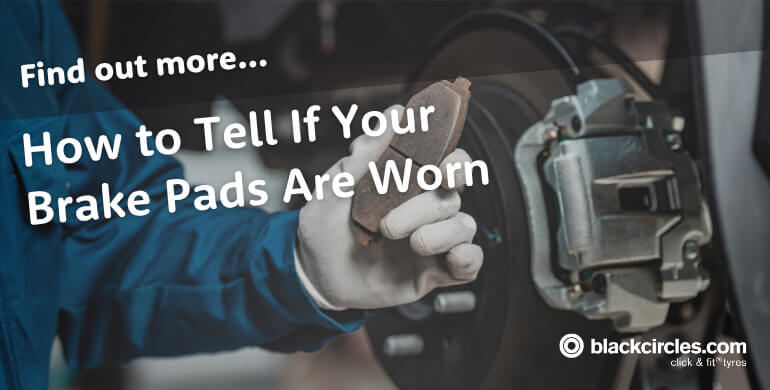
Brake pads are one of those components that don’t attract much attention – that is until something feels off.
Maybe the brake pedal feels softer than usual. Or there’s an odd squeal you can’t quite ignore.
These subtle changes often point to a deeper issue - and in some cases - it’s worn brake pads.
Knowing what to look (and listen) out for can save you from bigger, more expensive repairs. More importantly, keep your car safe to drive.
There are a few common signs that your brake pads are wearing out:
1. Squealing or Screeching Sounds
Many brake pads are fitted with small wear indicators that make a high-pitched sound when the pads are getting low.
It’s intentional. A built-in warning that you’re due for a change.
If you hear this regularly when braking (and the noise disappears when you're not), it’s probably time to have the pads inspected.
2. Grinding or Scraping Noises
A grinding sound is more serious. It usually means the friction material on your pads has worn away completely, and now it’s metal-on-metal contact with the brake disc.
This can damage the disc and make your brakes far less effective. If you hear this, it’s best to stop driving and get the car checked immediately.
3. Vibrations When Braking
If the brake pedal or steering wheel vibrates when you slow down, it could be a sign of warped brake discs or uneven pad wear.
The braking surface should be smooth. Any irregularity can cause that pulsing sensation. Either way, it’s a sign something isn’t quite right.
4. Pulling to One Side
If the car veers left or right when braking, it might be due to uneven wear on your brake pads or a sticking brake caliper.
This can be very dangerous if you need to stop suddenly and the car doesn’t respond evenly.
5. Spongy Brake Pedal
A soft, unresponsive brake pedal may indicate air in the brake lines or worn pads.
It could also point to an issue with the hydraulic system. Either way, braking should feel firm and consistent. If it doesn’t, it’s time for a check-up.
6. Dashboard Warning Light
Many newer vehicles have sensors that monitor brake pad wear.
When the pads reach their minimum thickness, the system will trigger a warning light. If that light comes on, don’t ignore it, it’s telling you the pads are close to needing replacement.
Quite possibly, yes.
During an MOT, the braking system is closely inspected. If the brake pads are too thin, if there are leaks in the braking system, or if the vehicle pulls under braking, the car will likely fail.
Excessive wear, visible damage to the pads or discs, or a warning light on the dashboard are all red flags during the test.
This happened to me in December 2024 on my Peugeot 3008 and required new brake pads and brake discs. Not a great thing to happen just before Christmas.

Brake pad issues rarely show up overnight.
They build slowly - a little more wear here, a bit of fade there - until one day something feels “off.”
That’s why routine car servicing is so important. During a service, your brake pads, discs, fluid, and other key components are checked for wear or damage.
Regular checks not only extend the life of your braking system, but they also catch issues early - before they turn into more serious or costly problems.

Ideally, you should have your brakes checked every 10,000 miles, or sooner if you notice any of the symptoms above.
If you’re ever unsure about your brakes, it’s best not to guess.
Book your car in with a qualified technician. It’s a simple step that ensures peace of mind every time you press the pedal.

We love to hear from our customers. Connect with us today and let’s start a conversation.