
Join the conversation
We love to hear from our customers. Connect with us today and let’s start a conversation.
...searching


As UK diesel prices continue to soar amidst turmoil in the middle east, the idea of choosing a more expensive, premium fuel, might feel nonsensical.
But while regular diesel will save you money at the pump, will it end up costing you more in the long run? Keep reading to find out the key differences between premium and regular diesel, if you should consider using it, and why it might make your car more economical to run.
Premium diesel is an enhanced formulation of standard diesel fuel that contains additional detergent additives, lubricity agents, and cetane improvers. Sold under brand names like Shell V-Power Diesel, BP Ultimate Diesel, and Esso Synergy Supreme+ Diesel, it's designed to burn more cleanly and efficiently than the standard diesel you'd pump as the cheapest option at the forecourt.
Where regular diesel must meet a minimum EN 590 standard set by European regulation, premium diesel goes beyond those requirements. Fuel retailers add their own proprietary additive packages to differentiate their products, though the base diesel itself often comes from the same refineries.
It’s worth noting that unlike petrol — which, in the UK, has a different ethanol content between premium and regular and thus isn’t suitable for all petrol engines — all standard diesel vehicles will accept all types of diesel sold at UK fuel stations.
Essentially, the cetane number is to diesel what the octane number is to petrol: it's the primary measure of ignition quality. Specifically, it measures how readily a diesel fuel ignites under compression — the higher the number, the shorter the ignition delay, and the smoother and more complete the combustion.
Standard diesel sold in the UK must have a minimum cetane number of 51. Premium diesel typically sits between 55 and 60, with some premium formulations pushing higher. That gap — seemingly small — can translate to meaningful real-world differences in cold-start performance, combustion noise, fuel economy, and even performance.
Additionally, as a higher cetane number results in a more complete burn, it can reduce diesel’s characteristic knocking sound and result in a smoother feeling engine overall.
In cold temperatures, diesel engines become harder to start. A higher cetane fuel compensates by igniting more easily at lower temperatures — which is one reason premium diesel is particularly worth considering during winter months. Poor cold-start performance with regular diesel is almost always tied to marginal cetane ratings meeting the minimum required, rather than exceeding it.
The honest answer: yes, but the degree of benefit depends on your engine, how you drive, and the condition of your fuel system.
The cleaning additives in premium diesel are among its most proven benefits. Modern diesel engines rely on common-rail direct injection systems that operate at extremely high pressures — often above 2,000 bar. Injector nozzles are precision-machined to tolerances measured in microns, and even small deposits can disrupt spray patterns, affecting combustion efficiency and power output.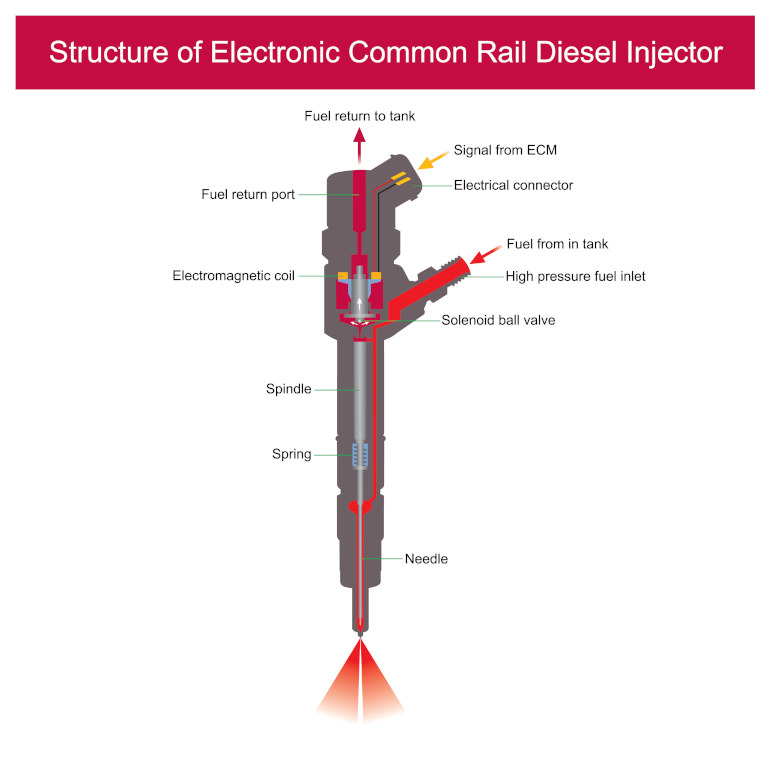
Independent engine testing has shown that sustained use of premium diesel can remove existing injector deposits and keep fuel systems cleaner than standard diesel alone. Dirty injectors are a major cause of power loss and increased fuel consumption in older diesel vehicles.
Premium Diesel Benefits | Regular Diesel Benefits |
|
|
|
|
|
|
| |
|
For the majority of diesel drivers, premium diesel offers a modest real-world benefit that rarely fully offsets its higher pump price in direct fuel economy terms alone. However, the equation changes when you factor in injector longevity and potentially reduced maintenance costs.
The drivers who see the clearest return from premium diesel tend to be those covering high annual mileages — particularly on motorways — where consistent, high-load combustion cycles give the cleaner fuel more opportunity to demonstrate its efficiency edge. For urban drivers covering short distances, the injector-cleaning benefit is more relevant than mpg gains.
Additionally, those looking for peak refinement out of their diesel engine may also see the increased cost of premium diesel as a worthwhile trade-off.
Check live diesel prices here
Technically no standard car in the UK needs premium diesel to run properly — they should run perfectly well on standard diesel that meets the EN 590 specification. That said, "required" and "beneficial" are two different questions. Most diesel vehicles will benefit in some way from occasional or sustained use of premium diesel.
The exception to this rule applies to modified or remapped diesel engines. If your engine has been professionally tuned to extract more power — whether through a performance remap, upgraded injectors, or turbo modifications — it may have been optimised to take advantage of a higher cetane rating. In these cases, using premium diesel isn't just a nice-to-have; it can be the difference between the remap performing as intended or falling short of its potential.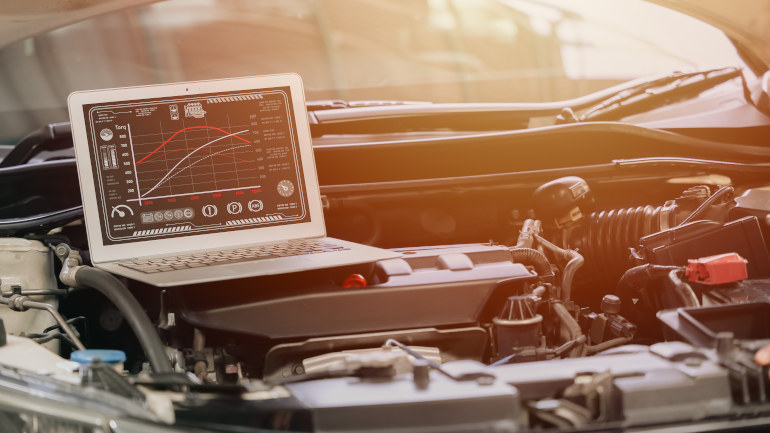
Older diesel vehicles
Older diesels — particularly those from the 1990s and early 2000s — can benefit more noticeably from premium diesel than newer vehicles. Older injection systems are more susceptible to deposit build-up, and the cleaning additives in premium fuel can genuinely restore some lost performance over time.
High-performance diesels
Vehicles with high-output diesel engines like
BMW's M50d or
Mercedes’ AMG diesels are often designed with the understanding that many owners will use premium fuel. They're not damaged by standard diesel, but they're engineered to deliver their best with a cleaner, higher-cetane fuel.
It’s a commonly asked question and the answer is more nuanced than a straight yes or no. Ultimately, unless your car is tuned to utilise the extra cetane in premium diesel it’s unlikely to add any significant horsepower or torque.
However, if you drive an older car or one with particularly clogged fuel injectors, the additives in premium diesel could restore lost power. Anecdotally, some drivers also report a snappier throttle response when using the more expensive fuel, though there are no conclusive studies to confirm whether this is the case, or merely a placebo.
Though there’s no consensus on the best premium diesel, in the UK there are several leading premium options. These include:
Shell V-Power Diesel
Consistently rated among the best in independent testing, with Shell's DYNAFLEX technology claiming to clean 100% of the injection system with continued use. It's widely available and typically at the premium end of forecourt pricing.
BP Ultimate Diesel
Uses Active technology designed to remove performance-robbing deposits and is a strong contender, particularly for newer common-rail diesel systems. BP's network makes it accessible across the UK.
Esso Synergy Supreme+ Diesel
Offers a competitive formulation and tends to be marginally more affordable than Shell or BP's premium products at many sites.
Texaco Supreme Diesel and Gulf Premium Diesel
Solid alternatives at independent forecourts and supermarket-adjacent stations.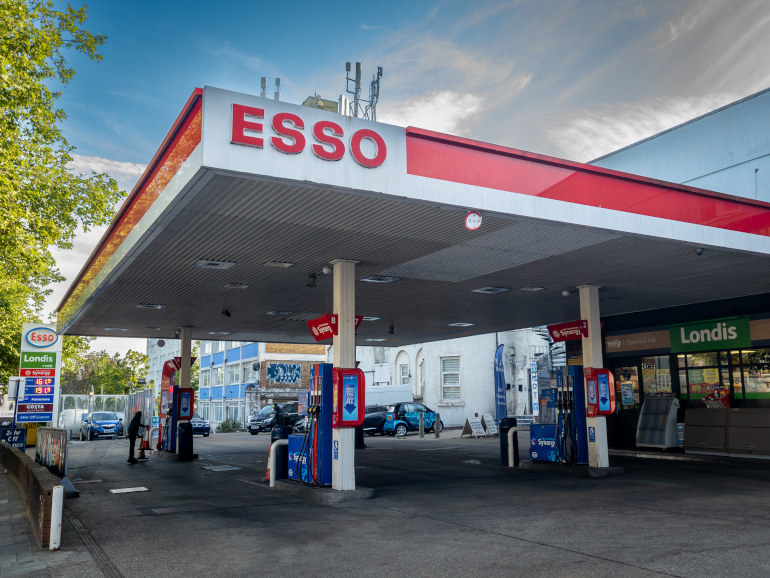
Ultimately, while premium diesel is no magic cure for your engine’s ailments — or an easy route to big horsepower gains — it can be genuinely beneficial to the average motorist. This is particularly true when it comes to high-mileage drivers, older diesel vehicles, and those with remapped engines.
For standard diesel cars driven mostly in towns on short journeys, the case is weaker. But even here, filling up with premium diesel every few tanks is a sensible form of low-cost preventative maintenance for your fuel system.

We love to hear from our customers. Connect with us today and let’s start a conversation.