While
Honda is widely recognised for building some of the most reliable cars on the road, even trusted manufacturers can issue recalls from time to time.
In this guide we will outline what a vehicle recall is, highlight Honda’s latest recall activity, and show you how to check whether your vehicle is affected.
Recall issues can range from minor technical glitches to serious safety concerns like fires and
airbag failures, so it’s important to know how to respond.
What Is a Vehicle Recall?
A vehicle recall is issued when a manufacturer finds a fault that could impact a car’s safety, performance, or legal compliance.
Some recalls cover minor problems like faulty warning lights or loose interior trim. However, others involve more serious safety-related issues such as airbags, brakes, steering, electrical systems, or battery safety.
The severity of the fault will determine how quickly you need to act.
Though you should take all recalls seriously, in most cases you can continue driving your car until the issue is addressed. Once notified, simply book in at your local dealership to have the fault fixed free of charge.
Stop-drive recalls are the exception to this rule. If your car manufacturer contacts you with a
stop-drive recall, you must cease driving immediately. Ignoring this warning is not only unsafe, it can also result in fines and legal action.
In the UK, the
Driver and Vehicle Standards Agency (DVSA) manages recall oversight. Honda, however, is responsible for informing drivers and performing the required repairs.
Honda 2026 Car Recalls
At the time of writing (28/07/2026), Honda has issued two car recall notices affecting UK vehicles in 2026: the e:Ny1 odometer software recall, and the Civic wheel nut recall covering 46,152 cars.
Honda e:Ny1 Recall
Honda is recalling 52,854 e:Ny1 models produced between 12 June 2023 and 6 August 2024 due to a software error that can cause the odometer to reset unexpectedly.
If the 12V starter battery fully discharges, the total mileage counter may reset to 0 miles. An authorised service centre can correct this with a software update.
Although this recall does not impact vehicle safety and is not classified as a stop-drive issue, it is still important to address. Odometer discrepancies can raise concerns for potential buyers as they may suggest the mileage has been tampered with to inflate the vehicle’s value.
Honda Civic Wheel Nut Recall (Wheel Detachment Risk)
Honda has also recalled 46,152 UK Civic 5 Door models from the 2017 to 2021 model years that were fitted with optional accessory alloy wheels.
Honda explained that a manufacturing error meant some of these accessory wheels were missing the steel lug seat inserts that keep the wheel nuts correctly seated. Without them, the nuts can gradually loosen during normal driving, and in the worst case, a wheel could detach from the car.
This is not a stop-drive recall. Honda has confirmed that owners can continue driving their car as normal while the recall is processed. Customer notification letters are being issued from early 2026 and include a QR code so owners can submit photos of their wheels, allowing Honda to confirm whether their specific car is affected before booking it in.
If your Civic is affected, an authorised dealer will inspect the wheels and, where needed, replace the wheels and hubs free of charge.
Honda 2025 Car Recalls
In 2025 Honda issued a number of recalls spanning several model lines. Here’s a breakdown of each.
Honda Civic, CR-V, & ZR-V March 2025 Recall
In March 2025, Honda issued a major recall affecting 22,184 vehicles, including the
Civic Type R, Civic e:HEV, CR-V e:HEV/e:PHEV, and ZR-V e:HEV.
Honda said:
"Affected vehicles may experience an issue with the Electronic Power Steering (EPS) gear box where the worm wheel can swell, potentially causing increased steering effort or a 'sticky' steering feel."
The recall applies to models built between 7 October 2022 and 22 May 2024. And, while it is not clear whether Honda classified this recall as a stop-drive, it was a significant campaign aimed at maintaining steering precision and safety.
Honda CR-V January 2025 Recall
A smaller, accessory-specific recall was issued for 64
CR-V models built between July and December 2023.
Honda said:
"Affected vehicles may have an incorrect part number label attached to the trailer hitch accessory, which could lead to incorrect usage or maintenance."
This recall was not classified as a stop-drive, though was still important to rectify.
Honda Civic e:HEV High-Pressure Fuel Pump Recall
Separately from the steering recall above, some Civic e:HEV models have also been affected by a high-pressure fuel pump recall, alongside related Accord and CR-V hybrid models.
Honda found that the fuel pump core can develop internal cracks over time. As the cracks grow, they can allow fuel to leak, which may cause a fuel smell while driving or idling and increases the risk of fire.
If you own a Civic e:HEV and are unsure whether this applies to your car, it is worth checking your specific VIN using the Honda UK recall checker below, as this is a distinct issue from the EPS steering recall and affects a different group of vehicles.
Where a fault is confirmed, dealers will replace the fuel pump free of charge.
Honda Recalls by Year: Most Affected Models (2016 – 2019)
While Honda is widely regarded for reliability, recall searches are most heavily concentrated around vehicles built between 2016 and 2019.
These model years represent some of the most commonly owned Hondas on UK roads today. As a result, they generate the highest number of recall checks, particularly from second-hand buyers and long-term owners verifying their vehicle’s safety history.
2019 Honda Recalls
2019 models account for the largest share of Honda recall-related enquiries. Many vehicles from this year are now entering the used market, prompting more owners to check their recall status.
| Most common models
| Typical recall themes
|
|---|
| Honda Civic
| Airbag safety
|
| Honda CR-V
| Brake system inspections
|
| Honda Accord
| Electrical or software updates
|
| Honda Jazz
| VIN-based safety fixes
|
Because these vehicles are still widely used as everyday family cars, Honda prioritises fast repairs through authorised dealers to minimise disruption.
2018 Honda Recalls
2018 remains one of the most frequently searched recall years, particularly among drivers purchasing used vehicles.
| Most common models
| Typical recall themes
|
|---|
| Civic
| Airbag component replacements
|
| CRV
| Brake-related checks
|
| Accord
| Minor electrical faults
|
| HRV
| Safety system software updates
|
Although many of these recalls were precautionary rather than urgent, booking repairs promptly helps maintain long-term reliability and resale value.
2017 Honda Recalls
By 2017, many Honda models had accumulated higher mileage, which often explains the rise in recall checks as vehicles age.
| Most common models
| Typical recall themes
|
|---|
| CRV
| Airbag inflator recalls
|
| Civic
| Steering system inspections
|
| Jazz
| Brake-related checks
|
| Accord
| Electrical reliability improvements
|
These campaigns were largely preventative and aimed at maintaining consistent safety performance over time.
2016 Honda Recalls
Despite being older, 2016 Hondas still generate strong recall interest, especially among budget-conscious buyers and long-term owners.
| Most common models
| Typical recall themes
|
|---|
| Civic
| Age-related component wear
|
| Jazz
| Safety system updates
|
| CRV
| Ongoing or legacy airbag recalls
|
Because some recall campaigns remain open for several years until repaired, checking your status is particularly important for cars of this age.
Most Common Honda Product Recalls
- Airbag Recall
- Steering Recall
- Fuel Pump Recall
- Battery Recall
- EPS Recall
- Wheel Nut / Wheel Detachment Recall
| - Brake Recall
- Engine Recall
- Transmission Recall
- Electrical System Recall
- Software Recall
|
Which Honda Models Are Being Recalled?
5 Most Common Honda Models Impacted
1. Honda Civic Recalls
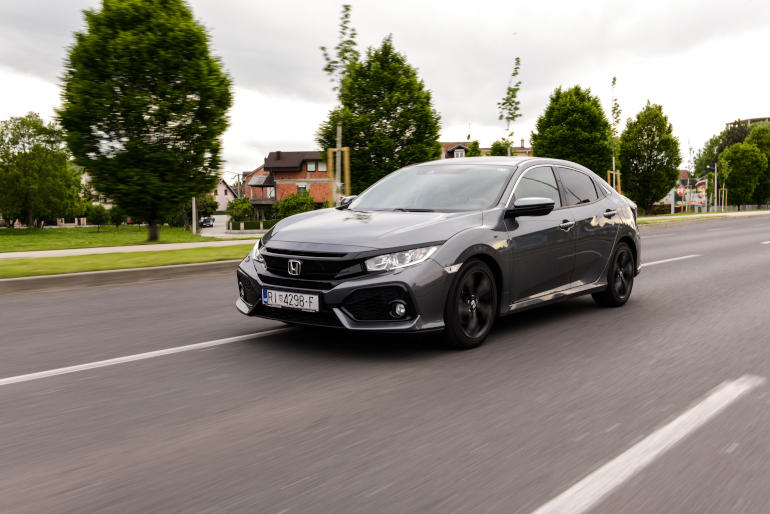
As one of Honda’s best-selling models, it’s no surprise the Civic is one the brand’s most searched for vehicles when it comes to recalls.
Of these recall issues, Safety concerns often take centre stage. with recurring issues ranging from the massive Takata airbag inflator replacements to critical faults in fuel pump systems that can lead to engine stalls. The Civic has also been the model most affected by the recent accessory wheel nut recall covering wheel detachment risk.
Beyond safety, many Civic generations have struggled with
frustrating mechanical and cosmetic gremlins, including widespread air conditioning compressor failures and notorious engine block or paint durability issues.
2. Honda CR-V Recalls
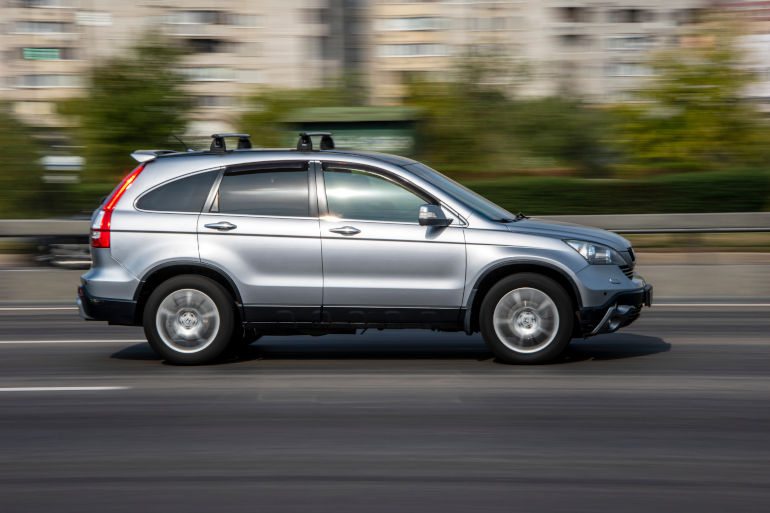
While the Honda CR-V is celebrated for its versatility and family-friendly appeal, it has navigated several notable recalls that potential buyers and current owners should keep in mind.
Like the Civic, airbag inflators and fuel pump failures are a common recall theme.
Additionally, mechanical and structural issues have been documented, including transmission concerns, door lock actuator faults, and rear frame corrosion in older models.
3. Honda Accord Recalls
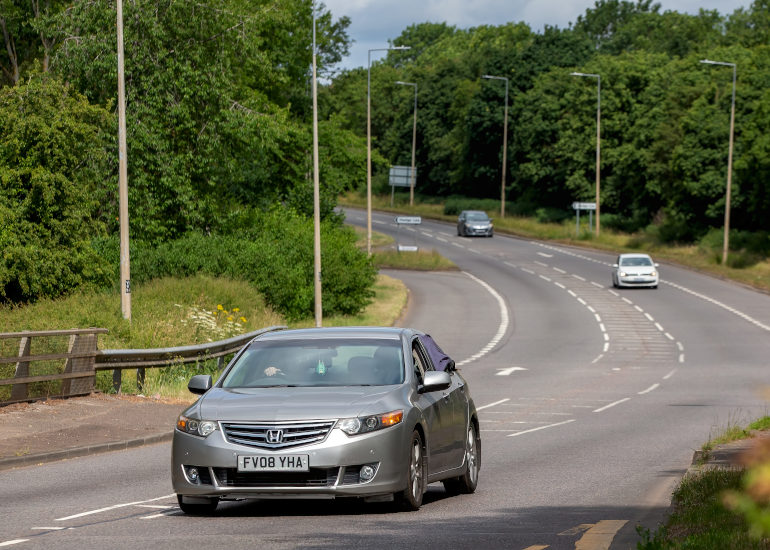
Honda stopped selling the accord to British buyers way back in 2015, but it’s still a common sight on UK roads thanks to its superb build quality and efficiency.
Nonetheless, it’s not immune to the same airbag and fuel pump recall issues as its Civic and CRV siblings.
The model has also frequently faced mechanical and electrical issues, specifically involving transmission faults, backup camera failures, and widespread complaints regarding air conditioning condensers.
4. Honda HR-V Recalls
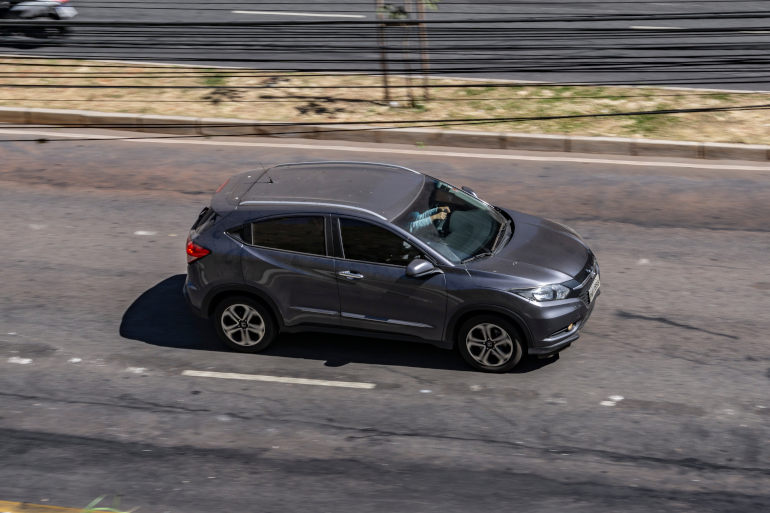
The cleverly packaged HRV offers a more agile alternative to larger SUVs. But, despite its reputation for practicality, the HR-V is susceptible to the same recurring recall issues that have affected other major Honda models across the lineup.
Honda’s HR-V is prominently featured in recalls for critical fuel pump failures and airbag inflators that require urgent replacement to ensure passenger protection.
Beyond these safety concerns, owners have also reported frustrating mechanical and cosmetic issues, including reports of air conditioning compressor leaks and paint durability faults.
5. Honda Jazz Recalls
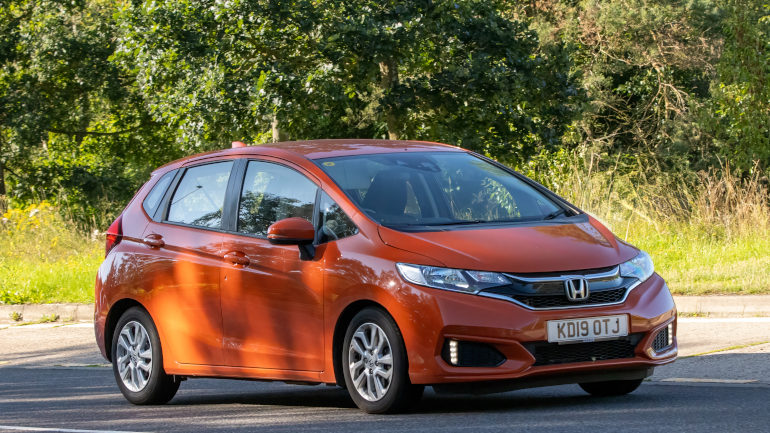
The Honda Jazz is a fan favourite for its impressive interior space and legendary reliability, yet it remains susceptible to several of the same widespread recall issues that have impacted the broader Honda lineup.
You should prioritise safety checks for critical Takata airbag inflator replacements and fuel pump faults that can lead to unexpected engine stalls.
Additionally, the Jazz has faced its own specific mechanical and maintenance concerns, most notably involving gearbox reliability, handbrake effectiveness, and reports of water ingress.
How Do I Know If My Honda Has A Recall?
If you're unsure whether your Honda has an outstanding recall, checking its status is quick and straightforward.
Honda Official Recall Checker: Visit the Honda UK website and enter your 17-character VIN (Vehicle Identification Number). This will show any open safety recalls or software updates linked specifically to your car.
GOV.UK Recall Checker: Use the official government tool to search by your vehicle registration (number plate). This tool displays all active recall notices recorded against your car by the DVSA.
You can also contact Honda UK customer service directly if you’d rather speak to someone or want to double-check a notice you’ve received — contact details are listed on the official Honda UK website.
If your Honda is listed under a recall, it is important to follow the instructions provided and arrange repairs as soon as possible. All recall-related work is carried out free of charge by Honda authorised dealers.
What To Do next
Don't panic: Recalls are often issued as a preventative fix to ensure long-term safety.
Check your mail: Honda or the DVSA will reach out with instructions. You’ll usually just need to book a free repair at an authorised dealer. If it’s been a while since you moved house or changed your details with Honda, don’t just wait on the post — run your VIN or registration through the checkers above so you’re not relying on a letter reaching an old address.
Watch for 'Stop-Drive' notices: If the defect is serious, do not drive the car. Honda may provide recovery services to bring your vehicle to the workshop safely.
Buying a used Honda? Run the VIN or registration through the checkers above before you buy. It’s illegal for a dealer to sell a car with a known outstanding safety recall, but this rule doesn’t apply to private sellers, so it’s worth checking yourself either way.
Drive with peace of mind: After the free fix—whether it’s a part replacement or a software patch—the DVSA will update your records, and you’re good to go."
Ultimately, vehicle recalls help address urgent safety concerns, but routine maintenance is key to keeping your car in good condition year-round. With
tyres,
servicing and
MOTs all in one place, Blackcircles makes it easier to stay on top of essential car care.
Frequently Asked Questions: Honda Recalls
Why is Honda having so many recalls?
Honda’s high recall activity in the UK is mainly linked to industry-wide issues like the Takata airbag crisis, along with recent production faults impacting models including the Civic and CR-V.
Honda UK frequently initiates recalls as a preventive safety measure, even in cases where no UK-specific incidents have occurred.
Is there a time limit on Honda recalls?
No, Honda safety recalls generally do not have a time limit or expiration date.
How serious is the Honda recall?
Honda recalls in the UK, particularly those involving the Takata airbag issue, should be treated very seriously.
What happens if I ignore a Honda recall?
Ignoring a Honda recall — particularly safety-related ones — can increase accident risk, cause mechanical damage, affect insurance validity, and reduce resale value.
Even if a recall is not a stop-drive notice, failing to address it could result in legal liability if a known defect causes an accident.
Do Honda recalls expire?
Honda safety recalls remain open indefinitely, with no-cost repairs offered for the full lifespan of the vehicle, regardless of age or ownership history.
Will a Honda recall affect my MOT or insurance?
An outstanding recall does not automatically fail an MOT, as testers don’t check the DVSA recall database as part of the test. However, if the underlying fault affects a component the MOT does test — brakes, steering, or airbags, for example — the vehicle can still fail if that defect is present.
On insurance, having a recall isn’t a problem in itself, but knowingly ignoring a serious safety recall could complicate a claim if the fault is later found to have contributed to an incident. Getting the free repair done promptly avoids both issues.
Why haven’t I received a recall letter?
Recall letters are sent to the address Honda or the DVLA has on file, so they can miss you if you’ve moved house, bought the car second-hand, or your details are simply out of date.
Rather than waiting on the post, check your VIN or registration directly using the Honda UK or GOV.UK recall checkers — this will show any open recall whether or not a letter has arrived yet.
How long does a Honda recall repair usually take?
It varies by recall. A software update can often be done within an hour, while a hardware fix — like a wheel and hub inspection or a fuel pump replacement — typically takes somewhere between one and a few hours at an authorised dealer.
Your dealer will be able to confirm the expected time when you book your car in.
What are my legal rights if a recall repair is delayed?
Manufacturers are expected to carry out recall repairs within a reasonable timeframe and free of charge, but there’s no fixed UK deadline written into recall law. If a dealer can’t give you a repair date, DVSA is the body that oversees manufacturer compliance and can be contacted if a recall isn’t being progressed properly.
This is general guidance rather than legal advice — if you think Honda is failing to meet its obligations, it’s worth raising this with Honda UK directly or seeking independent legal advice.
What should I do if I’ve bought a used Honda with an open recall?
Book the free repair in as soon as possible — recalls stay attached to the car, not the original owner, so it doesn’t matter that you weren’t the one originally contacted.
It’s illegal for a dealer to knowingly sell a car with an outstanding safety recall, but this doesn’t apply to private sales, which is why it’s worth checking the VIN yourself before you buy.
Can I contact Honda UK directly to check a recall?
Yes. Alongside the VIN and registration checkers, you can contact Honda UK customer service directly to verify a recall notice or ask about repair timelines — contact details are listed on the official Honda UK website.