
Join the conversation
We love to hear from our customers. Connect with us today and let’s start a conversation.
...searching



If you have considered modifying your car's engine, chances are you will be familiar with the term 'remapping'.
In essence, a car remap promises more power, sharper response and — in some cases — better fuel economy, all from a simple software tweak rather than a boot full of new parts. It's become one of the most talked-about modifications on UK roads, though it's not without trade-offs, and it isn't the right move for every driver or every car.
This guide sets out what remapping is, how the different stages compare, and the potential pros and cons. From performance and economy through to insurance, warranty and running costs, we’ve included everything you need to weigh up the decision. We'll also look at why your tyres matter more the moment you change how much power reaches the road.
Car remapping — often called ECU remapping or engine tuning — is the process of rewriting the software that controls your engine. Every modern car has an Engine Control Unit (ECU), a small computer that acts as the engine's brain. It manages fuel delivery, ignition timing, turbo boost pressure (if you have one), throttle response and the torque limits the engine is allowed to reach.
Manufacturers deliberately set these parameters on the cautious side for several reasons. A single engine often has to suit dozens of markets, cope with varying fuel quality, meet emissions targets and leave room for higher-spec versions further up the range. BMW's B58 engine, for instance, powers everything from 4x4s like the Ineos Grenadier to sports cars like the Toyota Supra, with the ECU tuned to suit each application.
Remapping ECU software replaces those conservative factory settings with a recalibrated version intended to make more of what the engine can already do. The aim is a car that feels more powerful, more responsive or more efficient, depending on the map, without any physical parts being changed. How much difference it makes — and whether the trade-offs are worth it — varies from car to car, as we'll cover below.
The process is quicker than many people expect and usually takes an hour or two. A reputable tuner will follow a careful sequence rather than simply loading a file and sending you on your way.
First comes a diagnostic health check. The tuner scans the car for fault codes and confirms the engine, turbo and related systems are in good order — software can't fix a mechanical problem, and remapping a car that already has issues is asking for trouble. Next, the tuner connects to the ECU, almost always through the On-Board Diagnostics (OBD) port beneath the dashboard, and reads a copy of the original factory map. That original file is saved so the car can be returned to standard later if needed.
The map is then modified — adjusting fuel-to-air ratios, boost pressure and ignition timing according to the goal, whether that's more power, better efficiency or smoother delivery — and uploaded back to the ECU. Finally, the car is tested, either on a rolling road (a dynamometer, or "dyno") or on a road test, to confirm everything runs cleanly and safely. 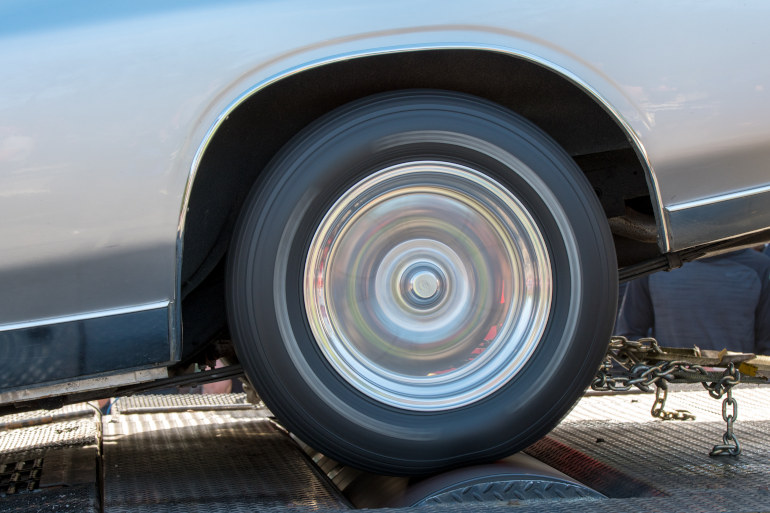
You'll broadly find two types of map. A generic, off-the-shelf file is pre-written for your model, while a custom map is tailored to your specific car, its condition and how you drive. Custom maps written and verified on a dyno tend to give the best and safest results.
You'll often hear tuners talk about Stage 1, Stage 2 and Stage 3. This can cause confusion as these aren't official industry standards, and exactly what each involves can vary from tuner to tuner and car to car — but the general idea is consistent: each stage represents how far you've taken your tuning, and how much supporting hardware the car needs to cope.
A Stage 1 remap is software only, no hardware changes required. It works within the limits of your car's standard components, exploiting the headroom the manufacturer left behind. For most turbocharged engines, a Stage 1 remap typically adds somewhere in the region of 20–35% more power and 25–40% more torque, though figures vary widely by vehicle. Because it's the simplest, most affordable and most reliable option, Stage 1 is comfortably the most popular choice for everyday drivers.
Stage 2 builds on Stage 1 by adding hardware that helps the engine breathe — commonly an upgraded intake, a high-flow or sports exhaust downpipe and an uprated intercooler. With better airflow, the software can be calibrated for more boost and bigger gains. Stage 2 is popular with enthusiasts because it often delivers the best power increase relative to cost.
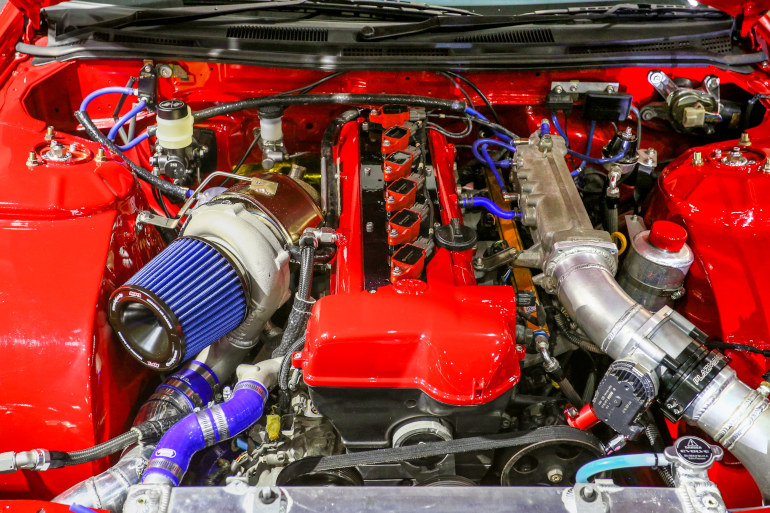
Stage 3 is where things get serious. It usually involves major hardware — think uprated turbochargers, larger fuel injectors and reinforced internals — and is really the territory of dedicated performance builds rather than daily drivers. Costs climb accordingly, often running well into four figures once parts and labour are counted.
It's worth remembering that naturally aspirated engines (those without a turbo or supercharger) see far smaller peak gains than turbocharged ones, since there's no boost pressure to adjust. On those cars the benefit is more about sharper throttle response and smoother, more linear delivery than big headline numbers.
This is one of the most common questions, and the answer depends heavily on how, and by whom, the work is done. Supporters point out that a Stage 1 tune is generally written to stay within the tolerances of the standard turbo, injectors and cooling system — removing artificial software limits rather than pushing the engine past what it was built to handle. Many drivers run Stage 1 maps for years without issue.
The counterpoint is that any increase in performance asks more of the engine and drivetrain than the factory intended. More power also puts more stress on supporting components like the brakes and tyres. The car needs to be mechanically sound and up to date with servicing. The quality of the tuner matters enormously — some operators quote inflated power figures using aggressive generic files that can shorten engine life. And ongoing care counts too: warming the engine before driving hard, sticking to more frequent service intervals, and using the recommended fuel (many petrol Stage 1 maps are calibrated for higher-octane premium fuel).
In practice, that means the risk sits on a spectrum rather than being a simple yes or no. A custom map from an established specialist — one with a physical workshop, their own dyno and independent reviews — carries very different risk to a cheap "driveway" tune with no way to test the result. At the poorer end, a bad remap can cause rough running, smoke and, in the worst cases, lasting engine damage. It's worth researching providers thoroughly and forming your own view before going ahead.
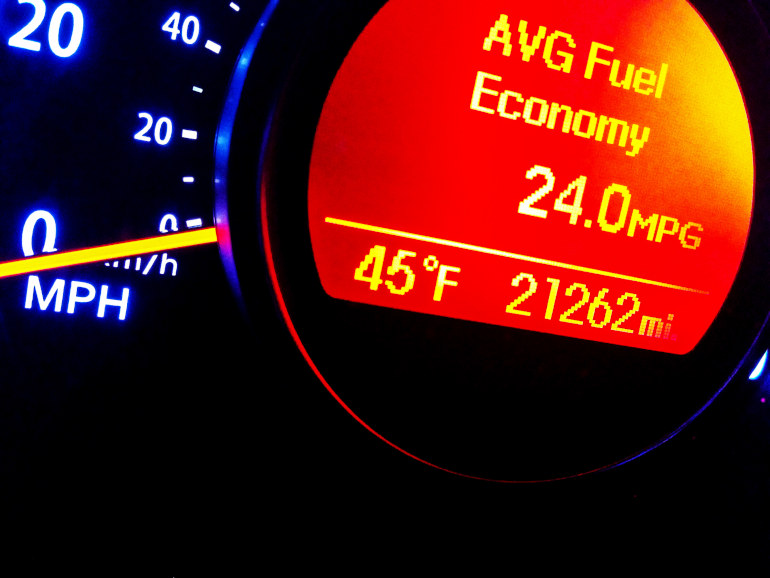
It can, but the outcome depends entirely on the map you choose and, crucially, how you choose to drive afterwards.
A performance remap is built for power and torque. An economy remap (sometimes called an eco or MPG remap) is calibrated the other way, optimising combustion and fuelling to reduce consumption. There's also a popular "blend" map that offers a bit of both: more torque than standard, with improved efficiency when you drive gently.
Economy tuning tends to work best on turbo-diesel engines and can deliver meaningful MPG improvements — commonly around 10–20% in the right conditions. The gains are clearest for high-mileage drivers spending time at steady motorway speeds, where extra low-down torque means the engine works less hard to hold its pace and you change gear less often. For someone doing only short urban trips, the fuel savings are usually far more modest.
There's an important catch, though. The extra torque that makes an economy remap efficient is the same torque that's tempting to use. Many drivers who set out chasing better MPG end up enjoying the added performance instead, and a heavy right foot will wipe out any economy benefit.
Diesel and petrol engines respond to remapping in different ways because they make power differently.
Diesel engines rely on compression rather than spark plugs, and modern turbo-diesels already produce strong low-end torque. A diesel remap widens that torque curve further, which is why diesels are often chosen for towing, carrying loads and relaxed motorway cruising. The efficient nature of diesel combustion also means a well-judged diesel remap can, in some cases, improve economy alongside performance — the "more torque and better MPG" combination often cited in favour of turbo-diesel tuning. A cleaner, more complete burn can even help keep a diesel's DPF (Diesel Particulate Filter) healthier by producing less soot, though a blocked DPF should always be addressed before any tuning.
Petrol engines, particularly turbocharged ones, tend to deliver bigger top-end power gains and a sharper, more eager character. Small turbo-petrol engines often show the largest percentage improvement, while gains come from raising boost, adjusting fuelling and refining ignition timing.
One word of caution on diesels: a poorly executed map can cause black smoke from the exhaust, a sign the fuelling isn't matched correctly. That's another reason to insist on a professional.
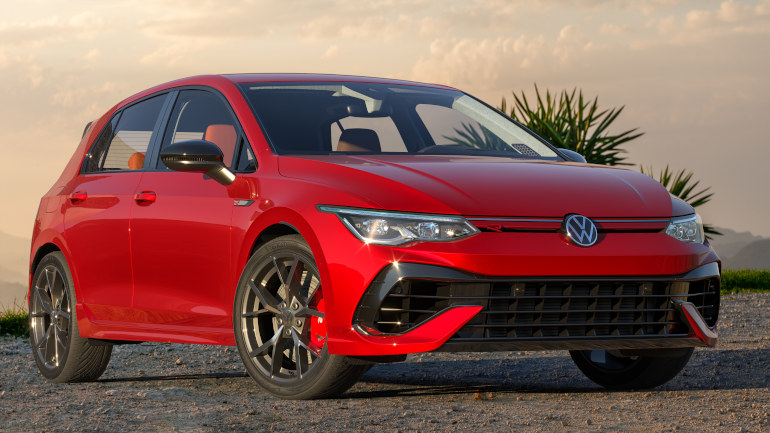
Few cars illustrate the appeal of remapping better than the
Volkswagen Golf R. It's built on
Volkswagen's turbocharged 2.0-litre engine, which is known for having plenty of tuning headroom — the same basic unit appears across the wider Volkswagen Audi Group in varying states of tune.
A MK8 Golf R leaves the factory with around 310–320bhp. A Stage 1 remap on that engine typically lifts it to roughly 370–405bhp, along with a substantial jump in torque with no hardware changes at all. Move to Stage 2 with supporting intake, intercooler and exhaust upgrades, and figures north of 420bhp become achievable.
Those are serious numbers for a compact four-cylinder hatchback, and they're a big part of why the Golf R is a firm favourite in the tuning community. They're also a perfect reminder that when you add that much power and torque, the tyres putting it onto the road become far more important. More on that below.
Remapping isn't only for hot hatches and performance saloons. Van remapping has become popular with tradespeople, couriers and fleet operators, and the reasoning is worth understanding.
Many vans leave the factory in a low state of tune — manufacturers frequently offer low-, medium- and high-power versions of the same engine, and the cheaper, lower-powered models sell in the greatest numbers. That leaves scope for improvement. A van remap can add mid-range torque, which is what matters when carrying a full load, towing a trailer or pulling away on a hill. The result can be a vehicle that feels less strained, changes gear less often and is easier to drive over a long day.
For businesses, the economy angle is often the deciding factor. On higher-mileage vans spending time at steady speeds, an economy-focused remap may cut fuel bills which results in savings that can compound across a fleet and offset the cost of the work over time.
Popular candidates include the
Ford Transit,
Volkswagen Transporter,
Vauxhall Vivaro,
Renault Trafic and Mercedes Vito, with typical diesel gains of around 30–60 lb-ft of extra torque. As with cars, though, the same warranty, insurance and running-cost considerations apply, and gains on short urban routes tend to be limited.
Yes. Remapping itself is entirely legal in the UK, and there's nothing illegal about having a professional adjust your ECU software.
There are, however, some important boundaries and responsibilities:
Your car must stay MOT-compliant. A quality remap keeps the vehicle within emissions limits and should not cause an MOT failure. In some cases a cleaner burn can even help. What's not legal is removing or disabling emissions equipment such as the DPF. That will fail the MOT instantly and is illegal for road use.
You don't need to tell the DVLA. A software remap doesn't change your car's registered specification or tax band, and there's no field for it on the V5C. This differs from physical changes like an engine swap, which do need to be declared.
You must tell your insurer. This is the big one. Insurers class a remap as a modification because it alters the car's performance. Some mainstream and specialist providers are perfectly happy to cover remapped cars, and your premium may rise only modestly — but failing to declare it is a serious problem. Non-disclosure can invalidate your policy entirely, meaning a claim could be refused. Always tell your insurer before, or immediately after, the work is done.
Possibly. If your car is still under its manufacturer warranty, a remap can affect it. Manufacturers may argue that the extra power and torque place additional strain on components, and they're within their rights to void cover on the engine and drivetrain if a remap is detected.
However, if the car manufacturer has worked closely with the tuner and supports the medications — as
Ford did with Mountunes’ package on the
Focus ST — your warranty may still be valid after the remap.
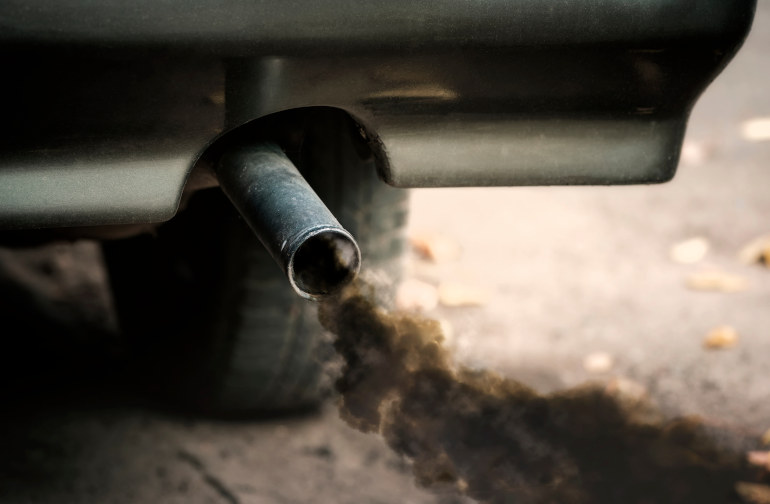
Alongside the potential benefits — more power, more torque, sharper response and, in the right circumstances, better economy — there are trade-offs worth weighing up before you decide.
The most cited drawbacks include:
Here's the part that's easy to overlook. A remap changes how much power and torque reach the road, but the only thing actually putting that force onto the tarmac is four patches of rubber, each roughly the size of your palm.
When you increase torque, especially the sudden low-down shove a diesel or turbo remap delivers, you ask far more of your tyres. It's no coincidence that owners of remapped, torque-heavy cars often report their tyres wearing noticeably faster. Worn or budget tyres struggling to cope with extra power means wheelspin, longer stopping distances and less grip exactly when you need it. That’s why you should consider fitting high-quality performance tyres like
Michelin’s Pilot 4S or
Continental’s SportContact 7 to support an ECU remap.
The efficiency argument is just as real if you've gone for an economy remap. Correctly specified, well-maintained tyres kept at the right pressure reduce rolling resistance and help your car achieve the fuel savings the remap is designed to deliver. Under-inflated or worn tyres quietly eat into that benefit — so pairing an economy remap with efficient rubber like
Michelin’s Primacy 5 and regular pressure checks makes sound financial sense.
Whichever route you take, it's worth treating your tyres as part of the upgrade rather than an afterthought. If your car is making more power than it left the factory with, fitting quality tyres suited to its new performance is one of the smartest things you can do.
Whether a car remap is worthwhile comes down to your car, your budget and how you drive. On the plus side, a Stage 1 remap can offer meaningful gains in power, torque and driveability for a relatively modest outlay, an economy remap may trim running costs for some high-mileage diesel drivers and vans, and the change is usually reversible. On the other side of the ledger sit the added strain on components, the potential warranty and insurance implications, faster wear on consumables, and the variability of results — particularly if the work is done poorly.
Blackcircles neither endorses nor condemns engine remapping; it's a personal decision, and the aim of this guide is to lay out both sides so you can make an informed choice. If you do go ahead, the sensible steps are the same either way: research your tuner carefully, tell your insurer, check your warranty terms and stay on top of servicing.
Thinking about new tyres to match your car's performance?
Browse tyres by vehicle or registration at Blackcircles.com and get them fitted at one of over 2,200 UK garages.

We love to hear from our customers. Connect with us today and let’s start a conversation.