When the clocks go back at the end of October, your usual bright evening commute suddenly gets a whole lot darker. In fact, for the next few months, many drivers will set off and arrive home without seeing the sun.
Driving at night is harder for everyone. You see less, other road users are harder to spot, and tiredness sets in sooner. Add the wind, rain and frost that come with autumn and winter, and the risks build up quickly.
The good news is that a few simple checks and habits make a real difference.
The clocks go back an hour at 2 am on Sunday 25 October 2026. Storm Austen, the first named storm of the 2026/27 season, is bringing strong winds and heavy rain to parts of the UK, with more wet and windy weather expected over the weekend and into next week. Check the latest Met Office warnings before you travel.
Why driving in the dark is more dangerous
Your eyes don't work as well at night. In low light, it's harder to judge distance and speed, colours fade, and your peripheral vision drops off. Anything outside your headlight beam – a pedestrian in dark clothing, a cyclist without lights, a deer on the verge – can appear with very little warning.
Tiredness plays a part too. Your body starts to wind down when it gets dark, so even a familiar drive home can feel more draining than it does in summer.
In the depths of winter, many drivers face these conditions on both commutes, setting off before sunrise and heading home after sunset.
What changes when the clocks go back
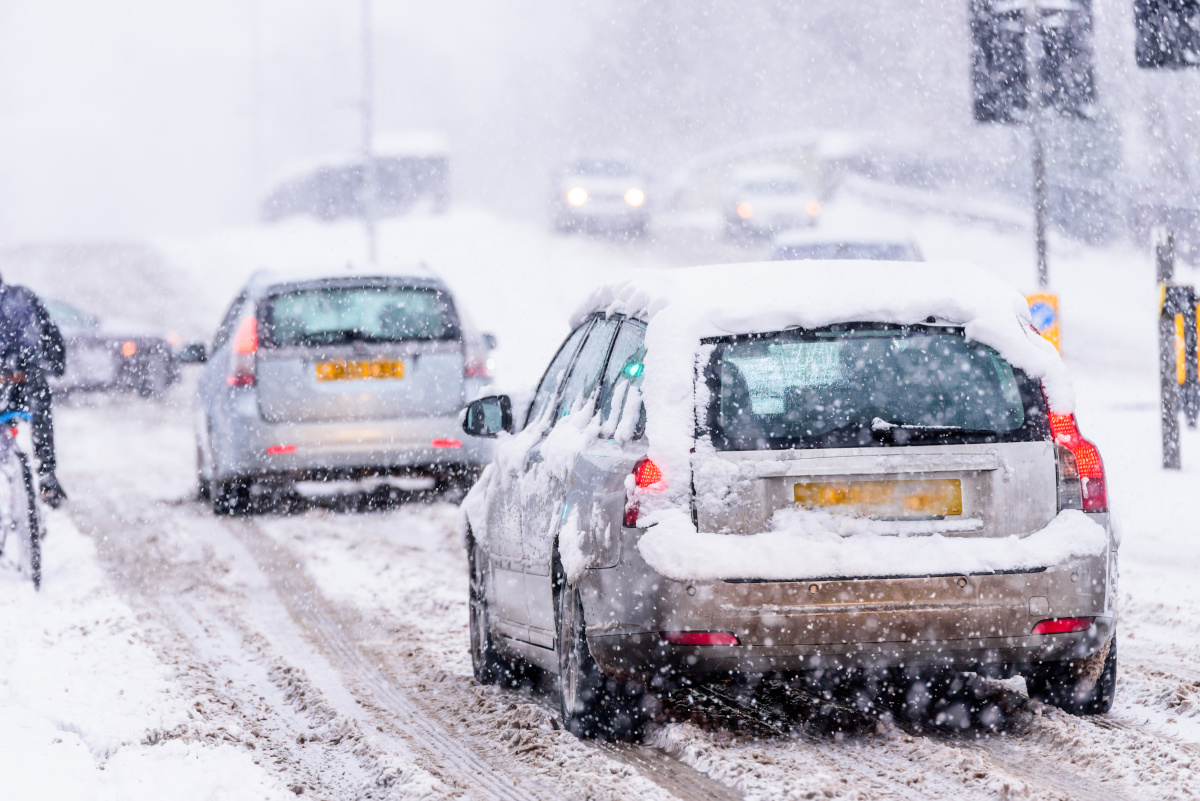
British Summer Time ends on the last Sunday in October, when the clocks go back an hour. Mornings get lighter for a while, but sunset arrives before 5 pm across most of the UK, and earlier still as the weeks go on.
That moves the evening rush hour into darkness overnight, while everyone is still adjusting to the time change. The first few weeks tend to be the riskiest, as drivers, cyclists and pedestrians all get used to darker roads at home time.
Leave a little more time for your journeys, and expect to see more people walking and cycling in the dark around schools, stations and town centres.
Check your car before driving in the dark
A few minutes spent on your car before the dark evenings set in makes every night journey safer.
Lights
Walk around the car with the lights on and check every bulb: dipped and full beam headlights, sidelights, brake lights, indicators, fog lights and the number plate light. Ask someone to watch the brake lights while you press the pedal, or reverse up to a garage door and check the reflection.
Driving with a blown bulb can earn you a fine, and a faulty headlight is an MOT failure. Wipe road grime off the lenses regularly, as dirty headlights lose a lot of their brightness. If your beam seems too low or other drivers keep flashing you, check the headlight levelling dial (usually near the steering wheel) is set for the load you're carrying.
Windscreen, wipers and demisting
Smears, chips and condensation you'd barely notice in daylight become a real problem when oncoming headlights hit the glass. Clean the inside and outside of the windscreen, top up with a winter-strength screenwash and replace wiper blades that leave streaks.
On cold, damp mornings and evenings, set the blower to the windscreen with the air conditioning on – it dries the air and clears misting faster. Don't set off until you can see clearly through every window.
Tyres
Your tyres are the only part of the car touching the road, and cold, wet winter roads ask a lot of them. The legal minimum tread depth for cars in the UK is 1.6 mm across the central three-quarters of the tread, around the whole tyre.
Check your tyre pressures at least once a month and before long journeys, while the tyres are cold. Pressures drop as the temperature falls, and underinflated tyres affect grip, braking and fuel economy. You'll find the correct pressures in your vehicle handbook, and usually on a sticker inside the driver's door frame or fuel filler flap.
While you're down there, look for cuts, bulges or objects stuck in the tread. If you regularly drive in cold conditions, all-season or winter tyres give extra grip once temperatures drop below 7°C.
How to use your headlights properly
When the law says you need headlights
Under Rule 113 of the Highway Code, you must use headlights at night – from half an hour after sunset to half an hour before sunrise – unless you're on a road with lit street lights. These roads usually have a 30 mph limit, or 20 mph in Wales. Your sidelights and rear number plate lights must be on between sunset and sunrise.
You must also use headlights when visibility is seriously reduced, which generally means you can't see further than 100 metres.
Full beam or dipped headlights
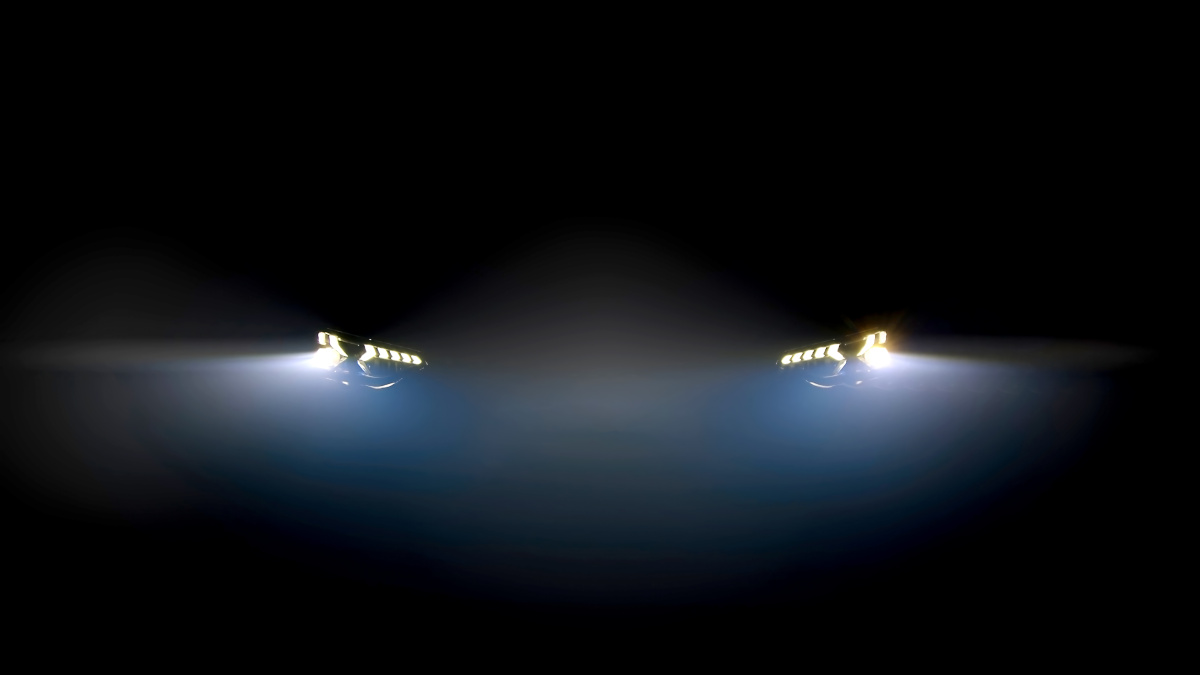
Full beam lights up far more of the road, so use it on unlit roads when nobody else is around. Dip your headlights as soon as you see an oncoming vehicle, when you're following another car and on bends where your beam could catch drivers coming the other way. The Highway Code says you must not use your lights in a way that dazzles or causes discomfort to other road users, including pedestrians, cyclists and horse riders.
Full beam isn't banned on motorways, but there's nearly always traffic ahead or oncoming, so dipped headlights are the norm. Many newer cars have automatic high beam, which switches between the two for you. It's handy, but keep an eye on it, as it can be slow to react on bends and crests.
When to use fog lights
Fog lights are only for seriously reduced visibility – generally less than 100 metres. You must switch them off when visibility improves, as rear fog lights in particular can dazzle drivers behind and mask your brake lights. Unless visibility is seriously reduced, leave them off in rain and drizzle.
How to deal with headlight glare
If an oncoming car dazzles you, look towards the left-hand edge of the road and follow the kerb or white line until it passes. Slow down, and stop if you need to. Don't flash your lights back, as it only makes things worse for both of you.
To cut glare from behind, flip your rear-view mirror to its night setting or use the auto-dimming function if your car has one.
Many drivers ask about yellow-tinted 'night driving' glasses. They're widely sold, but there's little evidence they help you see better at night, and tinted lenses reduce the amount of light reaching your eyes. A clean windscreen, clean glasses with an anti-reflective coating and an up-to-date eye test will do far more.
Driving on country and unlit roads
Rural roads are where night driving is most demanding. There are no street lights, bends come up quickly and hazards can sit just beyond your beam.
- Drive at a speed that lets you stop within the distance you can see to be clear. On an unlit road, that's often well below the speed limit.
- Use full beam whenever it's safe, and dip it early for oncoming traffic.
- Watch for the glow of oncoming headlights over crests and around bends, and use the cat's eyes to read the road ahead.
- Look out for deer, horses and riders, walkers on roads without pavements and cyclists with weak or no lights.
- Only overtake when you can see far enough ahead to be sure it's safe. Distances are much harder to judge at night, so if in doubt, hold back.
Driving in the dark in rain, wind and storms
Autumn and winter bring spells of wet and windy weather, and they're often at their worst in the dark. Rain on the windscreen scatters light from oncoming cars, wet roads reflect glare and spray from lorries can cut visibility to almost nothing.
Stopping distances are at least double in the wet, so leave a bigger gap to the vehicle in front and ease off. If the steering suddenly feels light, you may be aquaplaning: lift off the accelerator, don't brake hard and let the tyres regain grip.
In strong winds, take extra care on exposed roads and bridges, and give cyclists, motorcyclists and high-sided vehicles more room. Watch for fallen branches and debris, and never drive through floodwater if you can't tell how deep it is. When a storm warning is in place, consider whether your journey can wait.
Driving on icy and frosty roads at night
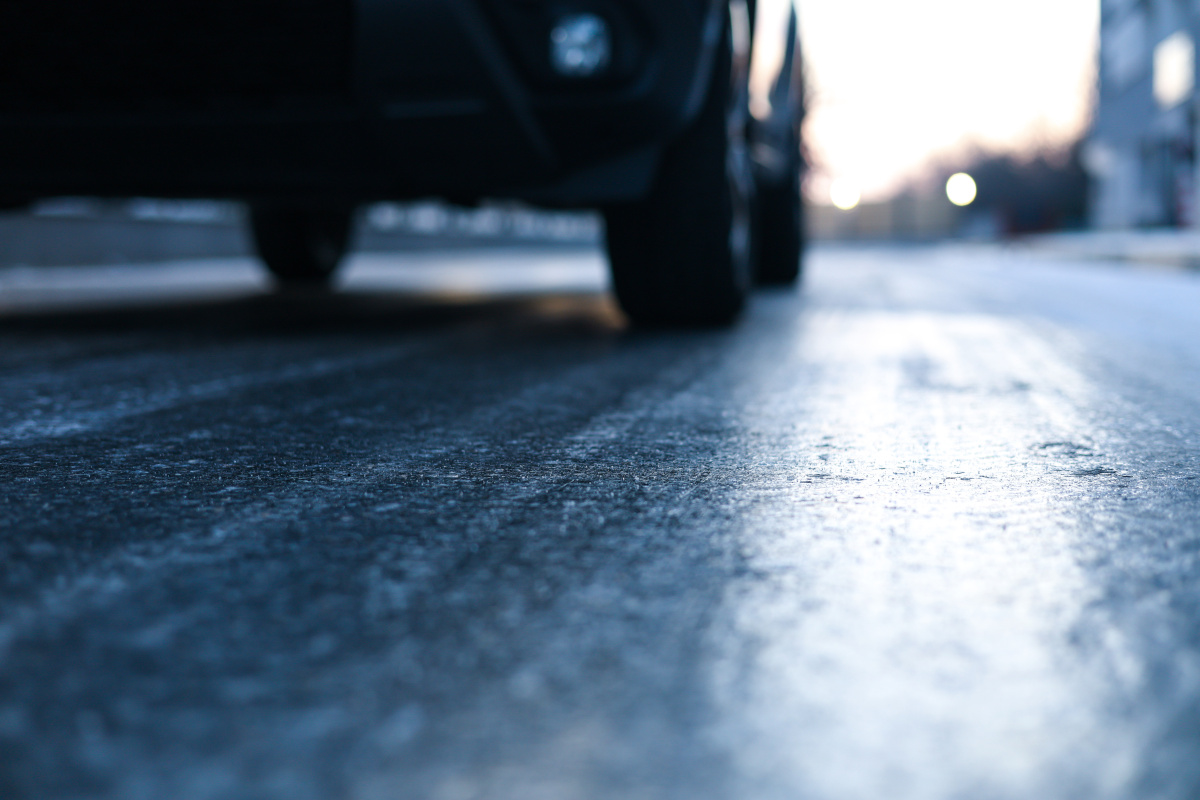
Temperatures drop quickly after dark, so a road that was just wet at teatime can be icy by mid-evening. Shaded spots, bridges and country lanes freeze first. Stopping distances can be up to ten times longer on ice, so drive slowly, brake gently and leave plenty of space.
Is your eyesight good enough for night driving?
By law, you must be able to read a car number plate from 20 metres in good daylight, wearing glasses or contact lenses if you need them. Night vision tends to get worse with age, and conditions such as cataracts can make glare much harder to cope with.
If you find it harder to see at night than you used to, or headlights seem to blur or flare, book an eye test. Opticians recommend one at least every two years.
Staying alert after dark
Tiredness is a factor in many serious crashes, and the risk rises at night. The Highway Code recommends a break of at least 15 minutes every two hours. Get a good night's sleep before a long drive, and avoid a heavy meal just before you set off.
If you start to feel drowsy, find somewhere safe to stop – not the hard shoulder – have a caffeinated drink and take a short nap. Opening the window or turning up the music won't keep you alert for long.
Tips for new drivers in the dark
If you passed your test in summer, your first winter can come as a shock. Build up gradually with short, familiar routes before tackling unlit roads or motorways at night. Pass Plus and advanced driving courses include night driving and can boost your confidence, and many instructors offer one-off lessons after dark.
Get your car ready for darker months
Darker mornings and evenings are here until spring, so now's the time to get your car ready. Check your lights, clear your windscreen and make sure your tyres have plenty of tread and the right pressures. If your tyres need replacing, Blackcircles make it easy to find the right ones for your car and get them fitted at a local garage or at home. Enter your reg on
Blackcircles.com to get started.