Skoda Octavia first launched in 1996 and is now in its fourth generation, available as a hatchback, Estate, Scout and
vRS across a wide range of petrol, diesel and plug-in hybrid engines.
The Octavia doesn’t have a single tyre pressure to remember — Skoda list the correct pressures on a label fitted to the car rather than in the handbook, with the right figure depending on your tyre size and how heavily the car is loaded.
Where To Find Your Skoda Octavia Tyre Pressures
On the Mk1 and Mk2, the Skoda handbook says the tyre pressures are shown on the inside of the fuel filler flap, so open it up, and you’ll find the figures there. The Mk3 handbook describes a sticker with the pressures on it but doesn’t say where it is, so check the fuel filler flap and the edges of the doors.
On the Mk4, the label is on the side of the right rear door.
If you can’t find the label or it’s unreadable, check the handbook or ask a Skoda Partner rather than using a pressure from a different car.
Skoda Octavia Tyre Pressure Information by Generation
The table below sets out what Skoda’s own handbooks say about tyre pressures on each Octavia generation.
| Generation | Years | Where pressures are shown | What the handbook says |
|---|
| Mk1 (1U)
| 1996–2010
| Sticker on the inside of the fuel filler flap
| Spare wheel with a standard tyre should be inflated to the maximum pressure for the car. Adjust pressures if the load changes significantly.
|
| Mk2 (1Z)
| 2004–2013
| Table on the inside of the fuel filler flap
| Winter tyres need 0.2 bar (20 kPa / 3 psi) more than the summer tyre figures. Spare wheel (R18): 4.2 bar (420 kPa / 61 psi). Adjust pressures for heavy loads.
|
| Mk3 (5E)
| 2013–2020
| Sticker with pictograms for half load, eco and full load
| Gives front axle, rear axle and spare wheel pressures for each tyre size. Spare wheel to be inflated to the maximum prescribed pressure.
|
| Mk4 (NX)
| 2020 onwards
| Label on the side of the right rear door
| Gives partial load and full load pressures for the front and rear tyres by wheel diameter, plus a value for the temporary wheel.
|
Disclaimer: the information provided in this article is intended for reference purposes only and is based on Skoda’s official Octavia owner’s manuals. Tyre pressures vary depending on tyre size, load and driving conditions, so always check the label on your own car or consult Skoda directly. We accept no responsibility for any discrepancies or incorrect use of this information.
How To Read Your Skoda Octavia Tyre Pressure Label
The label gives a pressure for each wheel diameter, shown as R followed by the diameter in inches, such as R17. Find the row that matches your wheels, then read across for the load you’re carrying. If you’re unsure of your tyre size, our
tyres by reg search can tell you.
On the Mk3, the label uses pictograms to show three sets of pressures: half load, an eco setting for slightly lower fuel consumption and emissions, and full load. Each set gives a pressure for the front axle and the rear axle, along with a separate value for the spare wheel.
On the Mk4, the label shows two sets of pressures with pictograms: partial load and full load. Each gives a reading for the front tyres and the rear tyres, and there is a separate pressure for the temporary wheel.
The label shows pressures rather than every tyre size approved for your car. Skoda say the full list of sizes is in the vehicle’s technical documentation, such as the certificate of conformity (COC), which you can get from a Skoda Partner.
Skoda Octavia Tyre Pressure When Fully Loaded
Skoda’s handbooks say tyre pressure should always match the load. If you’re carrying a full car of passengers and luggage, use the full load pressures on your label rather than the partial load or eco figures.
The same applies when towing. Both the Mk2 and Mk3 handbooks tell you to set the tyre pressures for a full load when you’re loading a trailer.
Set your pressures before you set off and check them when the tyres are cold.
Skoda Octavia Winter Tyre Pressure
The Mk2 handbook says pressures for winter tyres should be 0.2 bar (20 kPa, or around 3 psi) higher than the summer tyre pressures on the label. The Mk1, Mk3 and Mk4 guides don’t give a separate winter figure, so if you run
winter tyres on those cars, use the pressure for your wheel diameter shown on the label.
Tyre pressures drop as the temperature falls, so check them more often through the colder months.
Skoda Octavia Tyre Pressure Warning Light and TPMS Reset
Many Octavias from the Mk2 onwards have a system that warns you when the pressure in a tyre changes. It doesn’t replace regular checks, but it does need resetting properly whenever you adjust your tyre pressures. The Mk1 handbook doesn’t cover a warning system, so checking by hand matters even more on these cars.
If you lose pressure very suddenly, Skoda say to bring the car to a stop carefully, without heavy steering or heavy braking.
Mk2: Tyre Control Display
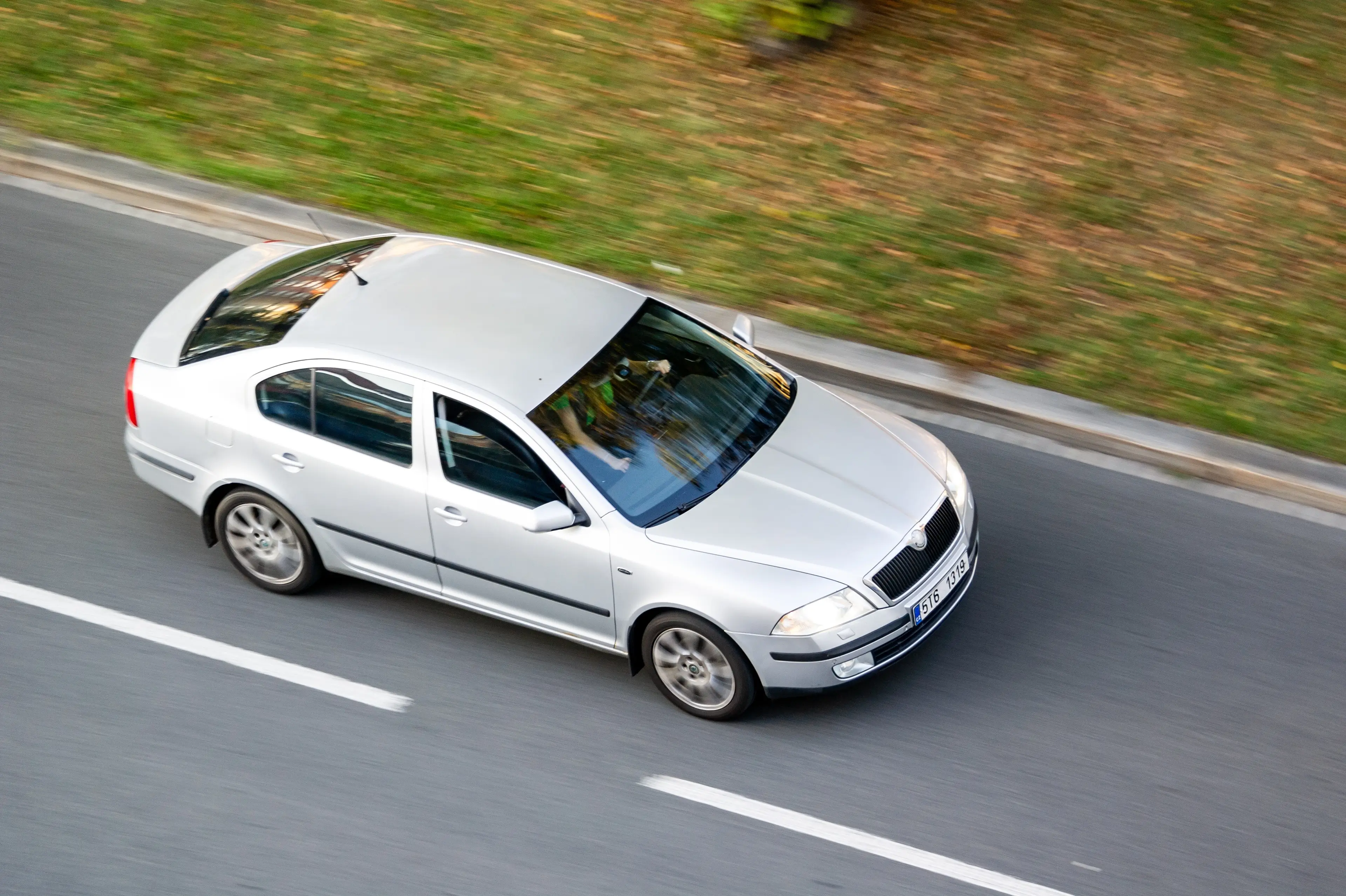
On the Mk2, the system compares the rolling circumference of each wheel using the ABS sensors. If one changes, a warning light appears in the instrument cluster and an audible signal sounds.
To reset it, inflate all four tyres to the pressures on your label and switch on the ignition. Then press and hold the tyre pressure button for longer than two seconds. The warning light comes on while you hold the button; the system memory is cleared, and the new calibration begins. An audible signal confirms it, and the light goes out.
If the light doesn’t go out after the reset, or it flashes, there’s a fault with the system, so have it checked by a specialist garage. Skoda recommend repeating the reset every 10,000 km or once a year.
Mk3: Tyre Pressure Monitoring
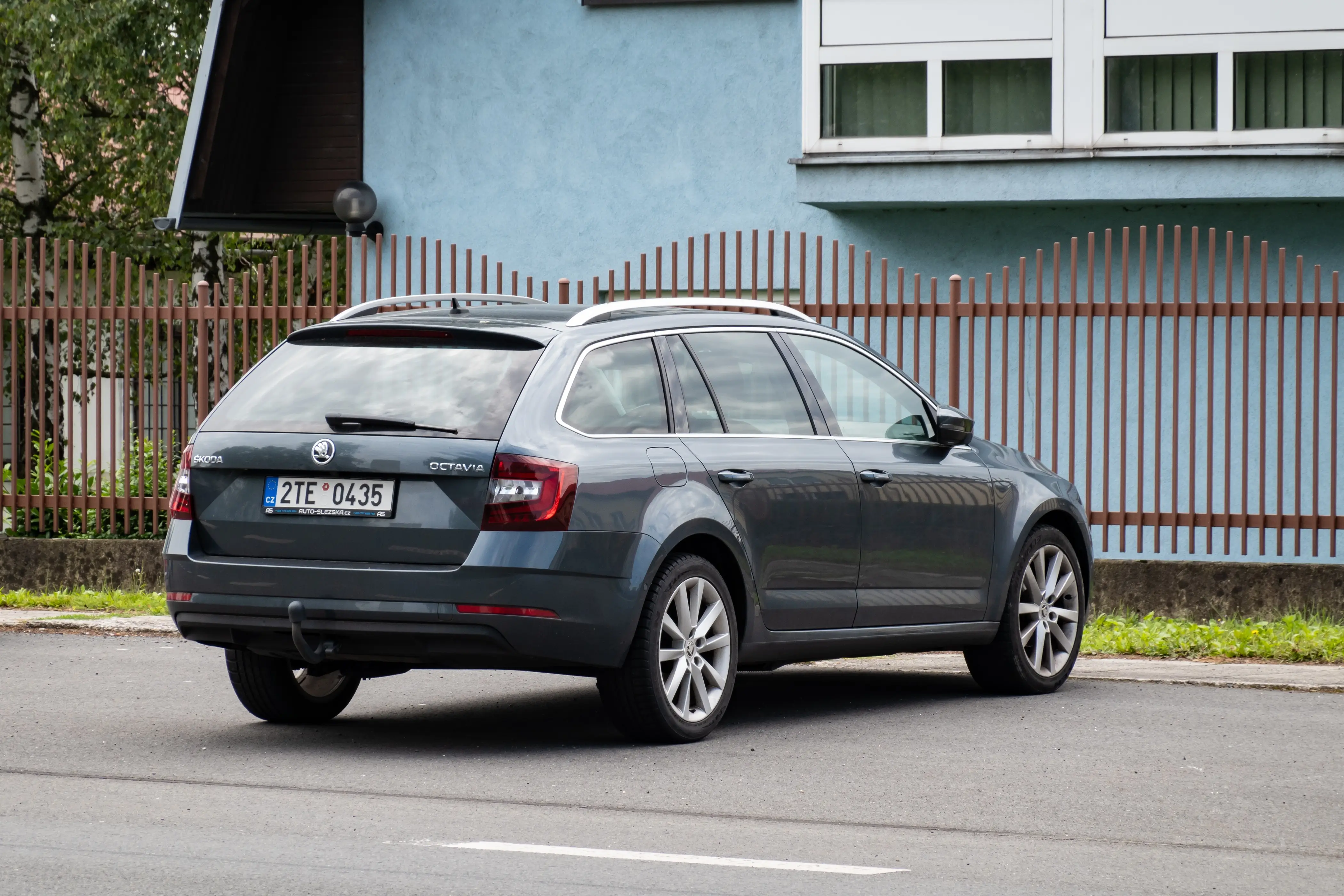
On the Mk3, a warning light and an audible signal alert you if the tyre pressure changes while you’re driving. Skoda say to reduce your speed straight away, avoiding sudden steering and braking. Then stop, turn off the ignition, and check your tyres and their pressures.
You need to save the pressure values in the system whenever you change a tyre pressure, change one or more wheels, or move a wheel to a different position. You should also save them if the warning light comes on. Inflate all four tyres to the pressures on your label, turn on the ignition and the infotainment system, then open Vehicle status and select the Tyre Pressure Loss Indicator. Tap the storage button and follow the on-screen instructions. A message confirms the values have been saved.
Save the pressures only after inflating the tyres correctly. If the wrong values are stored, the system may not warn you even when a tyre is low. Skoda also say to save the values every 10,000 km or once a year.
If the warning light flashes for around a minute and then stays on, there may be a fault with the system. Stop, turn the ignition off and restart the engine, and if the light stays on, have it checked by a specialist garage.
Mk4: Tyre Control Display
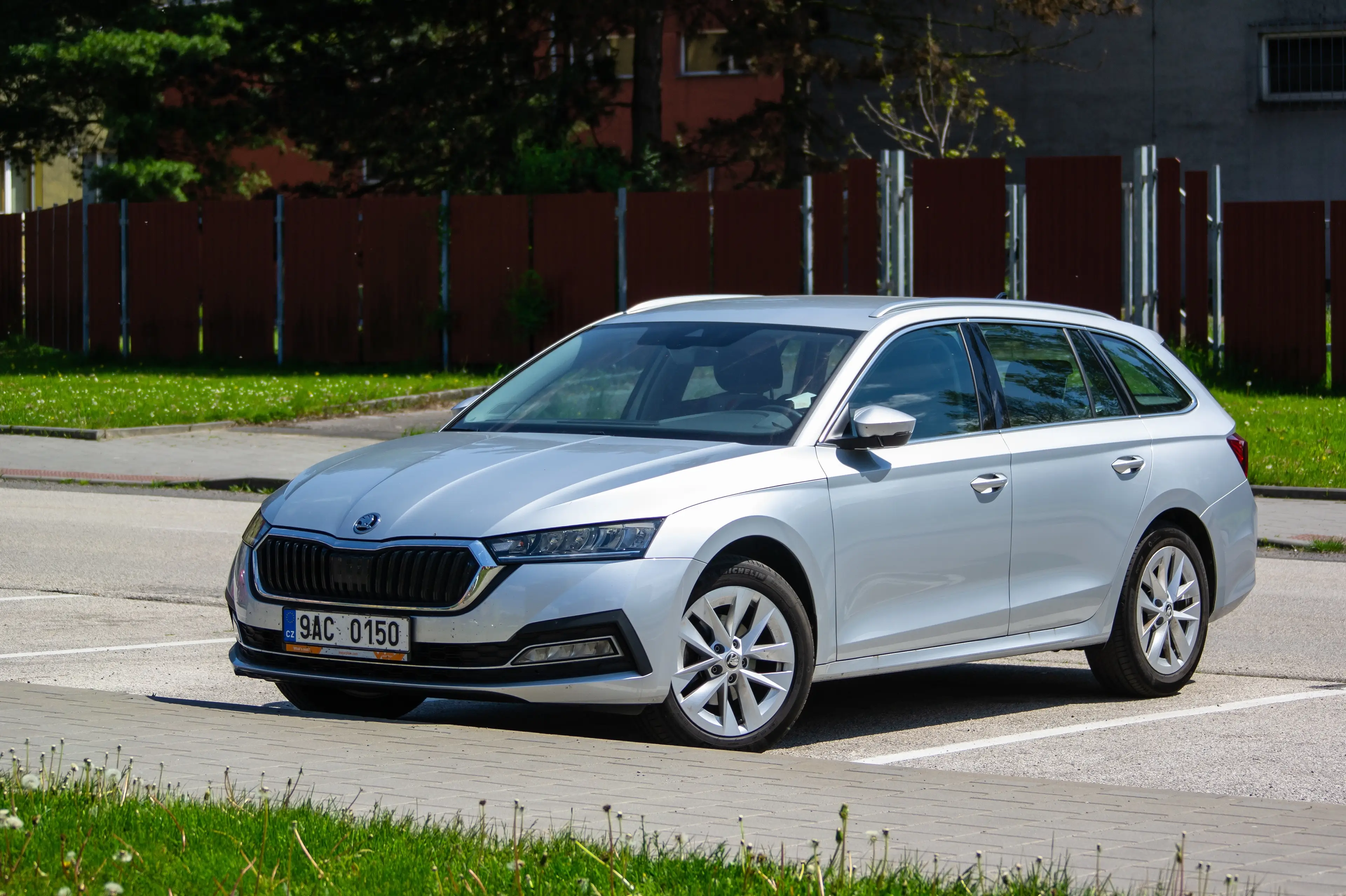
On the Mk4, Skoda say to save the new values in the tyre control display after each change in tyre pressure. Inflate all four tyres to the pressures on your label first, then save the values. Check your handbook or ask a Skoda Partner for the exact steps on your car.
Regular Tyre Pressure Checks
Skoda recommend checking your tyre pressures, including the spare wheel, at least once a month and before any long journey.
Always check when the tyres are cold, and don’t let air out of warm tyres to hit the figure on the label, as the pressure naturally rises as you drive.
Tyres that are under-inflated wear faster, increase rolling resistance and use more fuel. At higher speeds, they can also overheat, which can lead to tread separation or a blowout. Over-inflated tyres shorten tyre life and affect handling too. For more on keeping your tyres in good shape, see our
tyre safety advice.
Recheck your pressures whenever you fit new tyres or change wheels, and remember to save the new values if your Octavia has tyre pressure monitoring.