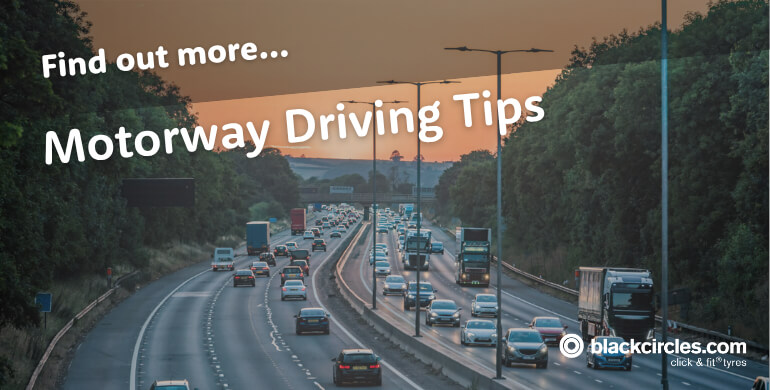
Motorway driving can feel intimidating, especially if you’re a new driver or haven’t had much experience on high-speed roads. With multiple lanes, faster traffic, and different rules compared to regular roads, it’s easy to see why many drivers feel unsure before their first motorway journey.
How do you drive on a motorway safely?
To drive safely on a motorway, stay in the left lane unless overtaking, match your speed to traffic, maintain a safe following distance, and always check mirrors and signal clearly when changing lanes.
The good news is that motorways are actually among the safest roads in the UK when used correctly. With the right knowledge and preparation, you can drive confidently, whether it’s your first time or you’re looking to improve your motorway skills.
General Motorway Advice
Before we look at some specific scenarios depending on your driviing experience and level, here are some quick and easy-to-digest pieces of advice for general motorway driving.
Before Driving on the Motorway
Before setting off, make sure both you and your vehicle are ready:
- Fuel: Ensure you have enough for your journey
- Tyres: Check pressure, tread depth, and condition
- Lights: Make sure all lights are working
- Fluids: Check oil, coolant, and screenwash
- Driver readiness: Avoid driving when tired or stressed
How to Join a Motorway Safely
Make sure to follow these steps when you are joinining a motorway.
- Use the slip road to build speed
- Match the speed of motorway traffic
- Check mirrors and blind spots
- Signal early
- Merge into a safe gap
How to Leave a Motorway Safely
Similarly to the above, there are some each to follow steps that you can take to ensure that you exit the motorway in a confident and safe manner:
- Move into the left lane well in advance
- Signal early (around the 300-yard marker)
- Enter the slip road smoothly
- Reduce speed gradually
How to Overtake on a Motorway
You will find that when driving on the motorway, different vehciles will travel at different speeds, and this means you will more than likely need to overtake. Here are some quick tips on how to do so safely:
- Always overtake on the right
- Check mirrors and blind spots
- Signal before changing lanes
- Pass efficiently - don’t linger
- Return to the left lane when safe
Driving on Smart Motorways
Smart motorways may not have a hard shoulder. Instead, they use:
- Red X signs → lane closed (do not use)
- Variable speed limits → must be followed
- Emergency refuge areas → for breakdowns
Common Motorway Driving Mistakes
Over time you will begind to notice some regular mistakes that other drivers make. Try to ensure that you avoid these. As they can lead to frustration, and therefore make the motorways less safe for all users.
- Middle lane hogging
- Driving too slowly
- Tailgating
- Not checking blind spots
- Sudden braking
Key Motorway Driving Tips for Learners
Learner drivers are only allowed to drive on a motorway if they are on a lession with a DVLA approved instructor. You must also be driving an L-plated vehicle. This was a rule that was introduced in
2018 by the UK government
When driving on a motorway, you're essentially applying everything you've already learned in your lessons, just at higher speeds and with additional considerations such as merging, overtaking, and maintaining safe distances.

As with any lesson, your driving instructor will be looking for key skills to ensure you're driving safely when you are on the motorway. Such as:
- Using the lanes correctly. This means staying in the left lane unless overtaking. Remember to smoothly return to the left lane once you've safely passed other vehicles.
- Using your mirrors correctly (and signalling). As with all types of driving, regular mirror checks and clear, early signalling are crucial for safe driving.
- Keeping a safe distance from those in front of you. Keeping a suitable gap between you and the vehicle ahead. Typically the 'two-second rule'. On some stretches of motorway you'll even find road markings that indicate the best distance to keep.
- Confident joining and exiting of the motorway. When joining the motorway, it's important to do so at an appropriate speed before smoothly merging into traffic. This goes for your exit as well.
By focusing on these key points, you'll demonstrate your ability to manage motorway driving safely and effectively.
Managing Speed on the Motorway
Speed management is vital when driving on a motorway. While the national speed limit for cars is 70 mph on motorways, traffic flow can vary. So you must be aware of the traffic you are in and drive accordingly.
As best you can, it's important to remain at a consistent speed that aligns with surrounding vehicles. This helps to ensure that traffic keeps moving at a good rate. If a driver is guilty of slowing down and then speeding up over and over, this can have a knock on effect to the vehicles behind - sometimes even causing issues miles behind them.
Be aware of variable speed limits displayed on overhead frameworks, which are legally enforceable and used to manage congestion or warn of hazards ahead.
Dealing with Large Vehicles and Lorries
Driving alongside larger vehicles such as lorries and coaches can feel intimidating. But there are some key things to know to help you gain confidence and keep you safe.
Large vehicles have bigger blind spots, so make sure to avoid lingering beside them. When overtaking, pass them confidently when it's safe to do so.
When you are driving behind a lorry, make sure to leave extra space to account for their reduced visibility. They will also require longer stopping distances.
Remember that lorries may need extra room when changing lanes, especially in slower-moving traffic.
Navigating Motorways For New Drivers
If you have recently passed your driving test - congratulations. Passing is a huge achievement. Even so, tackling a motorway for the first time without an instructor can feel overwhelming.
The higher speeds and multiple lanesmay seem daunting – but with the right preparation motorway driving can be met with confidence.

Your First Solo Motorway Drive
Feeling anxious before your first solo motorway trip is completely normal, but preparation can make a big difference.
Start by planning your route in detail – knowing which junctions to take and where to join and exit the motorway can help you feel more in control.
If you're still feeling unsure, consider starting with a quieter time of day when traffic is lighter.
Ensure your
tyres are
properly inflated and your vehicle is running as smooth as possible. This will ensure maximum safety and less chance of an emergency happening on the motorway.
Driving with a trusted friend or family member as a passenger can also provide reassurance without the pressure of an instructor.
Most importantly, give yourself plenty of time for your journey so you can focus on driving without feeling rushed.
Confidence builds with experience, so start with shorter trips before gradually working your way up to longer journeys.
Stay Safe and Focused on the Motorway
Once on the motorway, maintaining focus and awareness is crucial.
Regular mirror checks will help you stay aware of surrounding traffic, especially when preparing to change lanes.
Stick to the left lane unless overtaking – this helps traffic flow smoothly and makes lane discipline easier to manage.
Keeping a safe following distance is equally important; as stated previously, keep in mind the “two-second rule” – this will help ensure you have enough time to react if the vehicle ahead brakes suddenly.
If you start feeling overwhelmed, consider taking a break at the next service station. Pausing for a few minutes can help you reset and regain focus before continuing your journey.

What to Do in an Emergency on the Motorway
Unexpected situations can happen, but knowing how to respond can help you stay calm.
If you break down on the motorway, try to move to the hard shoulder or an emergency refuge area if possible. Turn on your hazard lights and exit the vehicle safely, standing behind the barrier away from traffic.
If you miss your exit, don't panic – continue driving until you reach the next junction where you can safely turn around. Never attempt to reverse or stop on the motorway.
In heavy traffic, maintain a steady pace and avoid constantly switching lanes. Staying patient and focused will help you handle unexpected delays with greater ease.
Tips for Long Motorway Journeys
For longer motorway journeys, preparation is key. Ensure your vehicle is fuelled up, and check your tyres, oil, and screen wash before setting off.
Plan regular breaks to rest and stay alert – stopping every two hours is recommended.
Fatigue can set in quicker than you might realise, so taking time to stretch, eat, or simply clear your head will help you stay focused.
Lastly, stay hydrated and avoid driving if you're feeling drowsy. Being well-rested and prepared will help you manage longer journeys safely and comfortably.
By taking in all the tips above, no matter what stage of your motoring journey you’re on, you will be able to tackle motorway driving with ease.
Motorway Driving FAQs:
Can learner drivers go on motorways in the UK?
Yes, but only with a qualified driving instructor in a dual-controlled car.
What is the speed limit on UK motorways?
The national speed limit is 70 mph unless otherwise indicated.
How do you merge onto a motorway?
Use the slip road to match traffic speed and merge safely.
What should you do if you miss your exit?
Continue to the next junction—never reverse or stop.
What is the two-second rule?
It’s a safe following distance guideline to maintain space between vehicles.