Over the last few decades, blockbuster film franchises such as The Fast and the Furious have helped fuel UK demand for Japanese domestic market (JDM) cars.
What was once a relatively niche market has grown into a thriving import scene, with vehicles arriving via licensed importers and private buyers alike.
But what does it actually take to get a slice of JDM culture parked on your driveway? From regulations and costs to reliability and resale value, we explore what’s involved — along with the key pros and cons of importing a car from Japan to the UK.
How do you import a Japanese car to the UK?
So, you’ve found your dream
Supra,
Skyline, or
Impreza, and want to import it to the UK. The first step is deciding whether you want to leave the importing to a specialist agent or handle the paperwork yourself.
If you opt to leave it to the experts, they'll handle all the confusing forms, shipping, and taxes for you, though you'll have to pay extra for the convenience.
How to import a JDM car independently
Those looking to save some money might feel confident tackling the import process themselves. However, it’s a fairly complex system with rules which must be strictly followed to stay on the right side of the law.
Here’s a handy how-to guide:
Importing a Car from Japan to the UK: Step-by-Step
1. Purchase & Shipping
- Buy the vehicle from a Japanese dealer or auction house.
- Arrange transport: choose Roll-on/Roll-off (RoRo) for cost efficiency, or container shipping for added protection.
- Allow 8–10 weeks for the vehicle to arrive in the UK.
2. Arrival & Customs Requirements
- Notify HM Revenue & Customs (HMRC) within 14 days of arrival by submitting form C384 via email to avoid penalties.
- Pay any import charges: VAT and customs duty may apply depending on the vehicle’s age, value, and origin.
3. Collection & Storage
- Transport the vehicle from the port by trailer or recovery truck — it cannot be driven away.
- Keep the car off public roads until registration, tax, and insurance are completed.
4. Compliance & Registration
- Pass UK compliance checks to confirm the vehicle meets British safety and environmental standards.
- Register the vehicle with the Driver and Vehicle Licensing Agency (DVLA) and pay Vehicle Excise Duty (road tax). You will then receive a UK registration number and can fit number plates (or assign a private plate if desired).
5. Insurance & Road Use
- Arrange UK insurance before driving the vehicle.
6. Check Official Guidance
- Consult
GOV.UK for the latest vehicle import rules and updates.

How much does it cost to import a car from Japan to the UK?
Importing a car from Japan to the UK involves a range of costs, which vary depending on the vehicle you choose, the shipping method used, and whether any changes are needed to meet UK regulations. Ultimately, the final figure will differ from case to case, though typical estimates can help you budget.
Aside from the price of the vehicle itself, transporting fees are generally the biggest expense at between £1,000 and £2,000.
You should also factor in import duty and VAT, which together can amount to roughly 30% of the car’s declared value.
If the vehicle requires modifications to comply with UK standards, these adjustments often cost between £500 and £1,500. An IVA or MOT inspection may also be necessary, typically costing £100 to £300, and registering the car with the Driver and Vehicle Licensing Agency (DVLA) involves an additional £55 fee.
How much does it cost to insure an imported car in the UK?
As you might expect, it generally costs more to insure an imported car than one which was originally sold in the UK.
There are several factors which make imported cars more expensive to insure:
Higher repair and parts costs: Components for non-native vehicles often have to be imported or obtained through specialist suppliers, which can increase labour expenses and extend repair times if you have an accident.
Limited data and non-standard specifications: Incomplete technical information and varying specifications can make diagnostics, repairs, and parts matching more difficult. It can also make it more difficult for insurers to accurately appraise risk.
Higher risk: Imported cars may be more valuable to thieves — thus creating higher potential claim payouts.
Performance modifications: Some imported vehicles (particularly JDM cars) are popular with tuners, putting them at higher risk of both accidents and theft.
Specialist coverage required: Many large insurance companies simply refuse to cover certain imported cars. This means owners must seek more expensive specialist insurers.
And that’s not all. Imported vehicles typically fall into two categories: parallel imports, and grey imports. Here’s how that affects their insurance cost.
What Is a Parallel Market Import car?
A parallel import car is a vehicle built for sale in a particular country or region (often within the EU) but brought into another market through independent, non-authorised channels rather than the manufacturer’s official dealer network.
As these vehicles are genuine and often nearly identical to UK supplied models, they are less risky to insurers and boast smaller premiums as a result.
What Is a Grey Market Import car?
A grey market import car is a vehicle built for sale in a specific overseas market (commonly Japan, the USA, or outside the EU). As such they may need modifications to comply with local safety, emissions, and lighting regulations.
Grey market cars are typically the most expensive imports to insure as they pose the greatest insurance risk. That’s bad news for all JDM and American muscle car fans in the UK.
What are the benefits of buying a Japanese import car?
Arguably the biggest benefit of buying a Japanese import is getting your hands on a rare or unique model that couldn’t be purchased in the UK when new. Often JDM (Japanese Domestic Market) models sport more luxurious specs, better equipment, and even more powerful engines.
Another advantage of buying a Japanese import car is the level of care they typically receive. Japan’s strict Shaken inspection system — an MOT equivalent — ensures vehicles are kept in excellent mechanical condition, while the absence of road salt during winter helps prevent corrosion. As a result, you’re more likely to find a well-maintained, rust-free car.
What are the disadvantages of buying a Japanese import car?
While Japanese imports are usually well maintained, a lack of UK-standard documentation can make proving that service history difficult. In turn, this can impact resale value and insurance costs.
Moreover, shipping fees can be steep and when you factor in the 10% import duties and 20% VAT, the total cost of importing a car from Japan can spiral.
Finally, without digitised MOT records, it can be tricky to verify an import’s true mileage. Equally, finding the right spare parts to keep your imported vehicle running can be difficult.
Commonly imported Japanese cars
Every year, a wide variety of Japanese import vehicles are brought into the UK — here are some of the most common models.
JDM Performance Cars
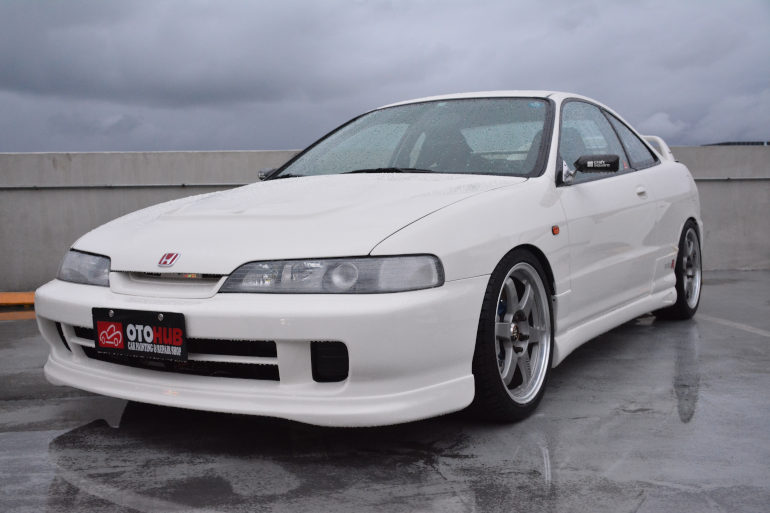 When you think Japanese imports, it’s performance cars which first spring to mind. And for good reason: these JDM models frequently feature sharper chassis tuning, more responsive engines, and a stronger motorsport pedigree.
These are some of the most popular JDM performance cars:
Honda Civic Type R (FD2 and EK9)
Toyota Supra (MK4/A80)
Eunos Roadster
Mazda RX-7
Nissan Silvia S15
Nissan GTR (R32, R33, R34)
JDM MPVs & Minivans

Lesser-known yet still popular, JDM MPVs and minivans are prized for their clever packaging, flexible seating, and high standard specifications.
Here’s a selection of frequently imported MPVs:
Nissan Elgrand
Toyota Alphard
Mazda Bongo Friendee
Honda Stepwagon
JDM Kei cars
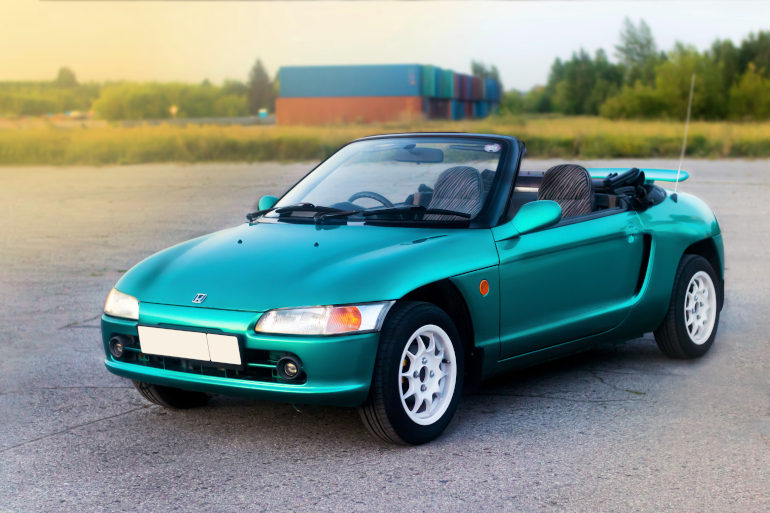
You might not have heard of them, but sporty JDM Kei cars — tiny vehicles built to Japan’s strict size and engine regulations — are loved for their agile handling, lively engines, and surprisingly entertaining driving experience.
Popular Kei imports include:
Honda Beat
Daihatsu Copen
Honda S660
Autozam AZ-1
Where to buy tyres for Japanese imports online
Like many components for JDM vehicles, tyres can be harder to identify through standard registration-based lookup tools.
So, it’s best to check the manufacturer’s handbook or read the size printed on the tyre sidewall itself. Once you have the correct measurements, simply enter them into the tyre size search on the Blackcircles website to find suitable options.
Conclusion
Importing a car from Japan offers a unique way to get your hands on rare, high-quality, or performance-focused vehicles that stand out on UK roads.
While the process can involve extra costs, paperwork, and a bit of patience, for many enthusiasts the chance to own a truly distinctive JDM car — and the satisfaction that comes with it — makes it more than worthwhile.Japanese Car Importing: Frequently Asked Questions
What is a JDM car?
While all JDM (Japanese Domestic Market) cars are Japanese, not all Japanese cars are JDM. That means JDM cars are those built in Japan and sold only in that domestic market.
Is it worth importing a car from Japan?
Importing a car from Japan can be a great option if you’re after a low-mileage, well-looked-after vehicle or a distinctive JDM (Japanese Domestic Market) model that you don’t see on UK roads every day. Thanks to Japan’s strict inspection and maintenance standards, many cars arrive in excellent condition, and in some cases they can even work out cheaper than buying a similar model locally.
That said, whether it’s truly worth it comes down to your appetite for risk and how much you value owning something a bit different. You’ll need to factor in shipping costs, import duties, potentially higher insurance, and the possibility of sourcing specialist parts or servicing support. For many enthusiasts, the individuality and quality make the extra effort worthwhile.
Is it hard to import a car from Japan?
Although importing a car from Japan can be more complex and time-consuming than importing one from Europe, specialist import companies can manage the entire process for you, taking care of the paperwork, logistics, and compliance requirements.
Or, if you’d rather tackle the process yourself, there’s plenty of handy guides and information to steer you in the right direction.
How do I know if a car was previously imported?
Aside from spotting obvious physical clues like a KPH speedometer, the most accurate way to determine whether a car was previously imported is to use the DVLA’s car import check tool.
Simply enter the vehicle’s registration and you’ll find out if and when it was imported, as well as other valuable data including export status, current vehicle tax rate and expiry date, date of first registration, and much more.