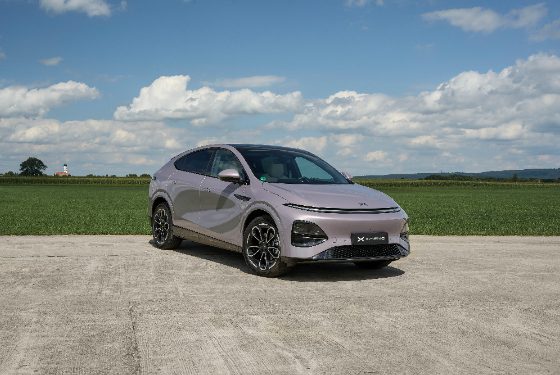

New UK-bound XPENG G6 to become fasting charging EV in segment
Dec 19, 2025
...searching

Dec 19, 2025
Oct 27, 2025
sEnter your registration and postcode and we’ll show you the best tyres for your EV
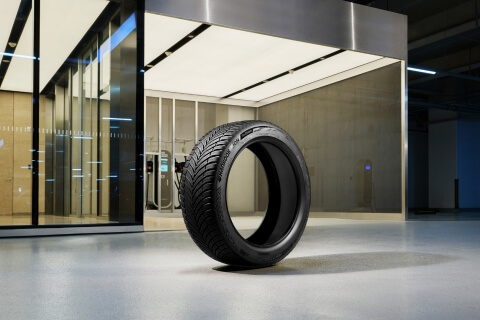
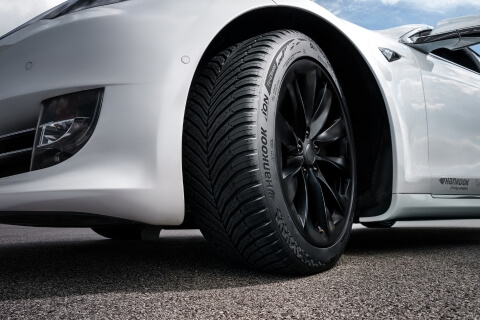
Electric vehicle (EV) tyres are a category of car tyre that has been developed by several manufacturers to meet the specific requirements of an electric vehicle. Tyres developed specifically for electric vehicles do need to perform to specific criteria. Namely, but not exclusively, the extra weight of an EV - which could lead to longer braking distances on conventional tyres - and the instant torque of an electric vehicle, which can result in increased and excessive tyre wear on conventional tyres.
Blackcircles.com stocks a wide range of electric vehicle tyres
Find the right tyre for your EV by adding your registration above.

July 15, 2025


Designed for maximum fuel efficiency, the ECO Contact 6 is the ideal tyre for the eco-friendly driver.


Evolutionised to perform more - a summer SUV tyre designed with Electric Vehicles in mind.

Get more mileage out of your car with the Michelin e.Primacy. This summer road tyre is a popular choice of OEMs for electric, hybrid, and low fuel consumption vehicles.
Oct 17, 2025
Dec 04, 2025
Dec 03, 2025
Nov 07, 2025
Sept 10, 2025

Oct 07, 2025
Oct 03, 2025
Oct 01, 2025
Sept 05, 2025
Sept 23, 2025
Sept 16, 2025
Sept 05, 2025
Aug 29, 2025
June 17, 2025
Aug 26, 2025
Aug 20, 2025
Aug 18, 2025
Aug 05, 2025
May 27, 2025

July 17, 2025
July 15, 2025


Mar 31, 2025

May 19, 2025

Apr 23, 2025

Mar 31, 2025

Apr 15, 2025

Apr 09, 2025

Mar 03, 2025

Mar 17, 2025

Mar 10, 2025

Mar 06, 2025


Feb 20, 2025

Nov 28, 2024

Jan 24, 2025

Jan 10, 2025

Dec 20, 2024

Dec 06, 2024

Dec 04, 2024

Sept 13, 2024

Nov 15, 2024

Oct 31, 2024

Oct 24, 2024

Oct 23, 2024

July 18, 2024

Oct 01, 2024

Sept 19, 2024

Sept 17, 2024

Aug 29, 2024

Aug 06, 2024

Aug 15, 2024

July 19, 2024

July 5, 2024

July 1, 2024
Subscribe to our newsletter for the latest EV, Performance, SUV & 4x4 content
Sign upLike their more conventional counterparts, tyres designed specifically for fitment on electric vehicles vary in price. With the market catering for a range of different price points - from premium models to budget options.
As with most products, the price of EV tyres is dictated by the level of development, types of material and precision of equipment used to construct the tyres.
Electric vehicles tend to be heavier than their petrol or diesel counterparts due to a number of factors. The biggest being the battery – as the weight of a battery required to power a vehicle is great, sometimes making up a quarter of a vehicle’s total weight.
Due to the importance of the battery, the bodywork required to protect the battery also adds weight to a vehicle. Thicker, more robust metal framework is put in place to ensure a battery is not damaged – including strong shell around the battery.
Due to the increases in weight, components such as suspension tend to be more robust in EVs, again adding to the overall weight.
The basic requirements for a tyre fitted to an electric vehicle are the same as that of a petrol or diesel. However, there are some quite specific traits to which they have been adjusted to provide an optimum performance – which has led some of the top tyre manufacturers to develop tyres specifically for use on electric vehicles. These traits include – aerodynamics, rolling resistance, durability, noise and torque.
Spare wheels/tyres are increasingly rare in modern vehicles. This is especially true for hybrid cars. There are a few reasons for this. General tyre maintenance and pressure levels are greater than they once were thanks to the advancements made over the past decade in tyre pressure monitoring system. Incorrect pressure being a common cause for tyre failures.
For EVs, weight is also a factor, with spare wheels adding more weight to an already heavy vehicle – affecting the range they can drive.
If a motorist fits conventional tyres to their EV – that is tyres which were not designed for the torque and weight of electric vehicles – then it can lead to faster wear rates.
EV tyres have been developed and constructed with material which take into consideration the unique requirements of an electric car, which should lead to there being no discernible early or accelerated wearing of the tyres.
Fitting winter tyres to an electric vehicle is not essential – but can help to improve the driving performance of the vehicle during the winter months.
Deciding on whether winter tyres are needed for an EV is a decision for the owner of the vehicle to make. To find out more about winter tyres and their benefits, visit our winter tyres page.
The tyres of an electric or hybrid car may require rotation during it’s lifespan. There is no industry standard recommendation on EV tyre rotation – so it is advised that you rotate the tyres on your EV in accordance with the information in your vehicle’s instruction manual.
As a rule of thumb, electric vehicles require less maintenance than conventional petrol and diesel vehicles.
However, that is not to say things can’t go wrong or that components will not require some work. Regular maintenance may be required on such items as the pollen filter (replacement), brakes (and brake fluid) and air conditioning.
Unlike a conventional petrol or diesel vehicle, electric/hybrid cars do not make use of engine oil. So an oil change, as we know it, is not required.
However, electric vehicles do use a type of oil in their gearboxes – as such this type of oil could require changing during an EV’s lifespan.


