




Bluearth ES32
The Yokohama BluEarth ES32 is a fuel efficient tyre, with a well balanced performance.
- Wide straight grooves for aquaplaning resistance
- Long tread life and improved durability
- Optimised tread design
...searching

Yokohama tyres are famous for their UHP (ultra high performance) line, used in official races.
The Yokohama BluEarth ES32 is a fuel efficient tyre, with a well balanced performance.

A high performance car tyre, designed to deliver maximum control. The tyre is made with a unique nanoBLEND compound, for an optimised and balanced experience when driving in both wet and dry conditions.

The Yokohama BluEarth-GT AE51 is a grand touring tyre designed to offer excellent wet grip and fuel efficiency.



The Geolandar A/T G015 is an all terrain 4x4 tyre, designed for strong traction in all conditions.
Established in 1917, Yokohama is the oldest tyre manufacturer in Japan.
Producing over 50 million units each year, Yokohama is an acknowledged leader in high performance,
mid-range tyres. Fitted as original equipment to some of the world's leading car manufacturers including
Audi,
Lexus,
Mercedes,
Nissan,
Porsche,
Toyota,
VW and many more.
To find about more about this brand please visit Yokohama Tyres.


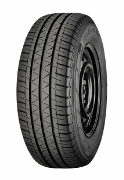


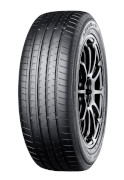


Yokohama are owned by tyre manufacturing company Yokohama Rubber Corporation. Yokohama Rubber Corporation was first established in 1917 by Yokohama Electric Cable Manufacturing Company and American tyre manufacturing company BFGoodrich. Since then, Yokohama has been recognised as one of the world's leading tyre companies.
Yokohama Rubber Corporation manufacture Yokohama tyres. Since Yokohama are a global company, they operate in many countries around the world. The nations in which Yokohama manufacture their tyres are the likes of the United States, China, Vietnam, India, and the Phillipines.
The tyres/tires spelling depends on what version of the English language an individual/nation uses. In the United States, American English is used which has the spelling of the word as 'tires'. In the United Kingdom, Yokohama would be selling their products under the spelling 'tyres', as the country uses British English.
Yokohama tyres are built to deliver long-lasting performance. On average, Yokohama tyres can last between 40,000 to 60,000 miles, depending on driving conditions, maintenance, and tyre models. Routine inspections, proper inflation, and regular rotations are necessary to maximize their lifespan and ensure optimal performance throughout their mileage.
The markings on a tyre contain valuable information that is crucial for selecting the right one. These markings encompass various details, including width, aspect ratio, load and speed ratings, construction type, and wheel diameter. Additionally, the tyre specifies the brand name, range, and provides specific information about tyre pressure, wear indicators, and suitability for winter conditions. Take note of any OE markings, as they indicate whether the tyre was specially produced for a particular car model.
Yokohama does produce winter tyres that are capable of delivering a good performance in snow. Not all of Yokohama's tyres are suitable for winter and snowy conditions however. Only their tyres specifically developed for such weather.
Yes, some of Yokohama's tyres are produced in China. However, as a global company, their tyres are manufacturered in many factories across the globe. As well as China, Yokohama's tyres are also in the U.S.A, Vietnam and India.
Noise levels on Yokohama tyres vary depending on the model and the type of tyre. However, Yokohama has a good reputation for developing tyres with low noise. With specific technologies being used in select ranges to improve this ever more so.