Tyres play a crucial role in a vehicle’s overall performance, from grip and handling to fuel efficiency.
One often overlooked but important factor is rolling resistance – a key element that affects how much energy is needed to keep your vehicle moving.
Understanding tyre rolling resistance can help you make informed decisions when choosing tyres, particularly if you are looking to improve fuel efficiency and reduce running costs.
In this guide, we will explain what rolling resistance is, how it impacts performance, and how to reduce it for a more efficient drive.
What is Rolling Resistance?
A tyre’s rolling resistance refers to the energy required to keep a tyre rolling at a consistent speed over a surface.
Every time a tyre rotates, it deforms and recovers as it comes into contact with the road.
This process leads to energy loss, known as hysteresis, which the vehicle’s engine must compensate for – resulting in higher fuel consumption..
Several factors contribute to rolling resistance, including:
- Tyre construction and technologies – The materials and tread design affect energy loss.
- Tyre pressure – Underinflated tyres create more resistance due to greater deformation.
- Road surface – Smoother roads reduce resistance, while rough surfaces increase it.
- Temperature – Cold weather can stiffen tyres, increasing resistance.
The more rolling resistance a tyre generates, the more effort is required to keep the vehicle moving – leading to higher fuel consumption and emissions.

How Does Rolling Resistance Affect Fuel Efficiency?
The relationship between rolling resistance and fuel efficiency is simple: the less energy lost through rolling resistance; the less fuel is needed to maintain speed.
According to research by
Michelin,
a 30% reduction in rolling resistance can improve fuel economy by up to 5%.
The same applies to
electric vehicles (EVs), as reducing rolling resistance is particularly important in helping extend battery range – meaning fewer charging stops and improved driving efficiency.
To summarise, the better fuel efficiency, the more money you will be saving on fuel or electric range.
Can Rolling Resistance Be Reduced?
While rolling resistance cannot be eliminated entirely, it can be minimised through tyre choice and maintenance. Here’s how:
- Choose Low Rolling Resistance Tyres – These tyres use advanced rubber compounds and tread designs to reduce energy loss.
- Maintain Proper Tyre Pressure – Keeping tyres inflated to the manufacturer’s recommended pressure reduces unnecessary resistance.
- Check Wheel Alignment – Misaligned wheels can increase resistance and uneven wear.
- Rotate Tyres Regularly – Ensuring even wear across all tyres helps maintain consistent rolling resistance.
Tyre Label Ratings
If you’re shopping for tyres, the EU tyre label provides an easy way to compare rolling resistance. Each tyre is rated for:
- Rolling Resistance/Fuel Efficiency – Ranked A to E
- Wet Grip – Ranked A to E
- Tyre Noise – Ranked A to C/Decibels
In the case of fuel efficiency/rolling resistance ratings (and wet grip too), A is the most efficient, and E is the least efficient.
Therefore, if saving money on fuel/electric range is a priority for you, look for tyre models with a high fuel efficiency label rating, such as the
Continental Eco Contact 6 (
195/65 R15 sizes) as seen below:
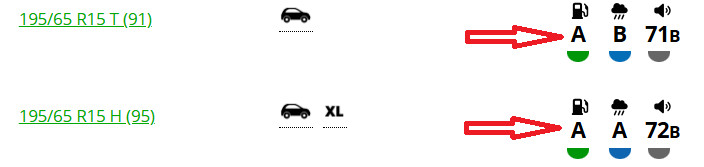
Opting for a tyre with a high fuel efficiency rating can lead to noticeable savings over time, particularly for high-mileage drivers. These tend to be
premium tyres, which tend to have the most efficient performance and technologies to do with categories like fuel efficiency.
It is important to note that different tyre sizes and specialised
car manufacturer fitments may indicate different tyre label ratings for every model.
Final Thoughts
Tyre rolling resistance is a key factor in fuel efficiency and vehicle performance.
Choosing the right tyres and maintaining them properly can make a real difference, whether you’re looking to reduce fuel costs, lower emissions, or maximise your EV’s range.
By understanding how rolling resistance works and how to manage it, you can make smarter tyre choices – improving both your driving experience and your wallet in the long run.
Frequently Asked Questions
How does rolling resistance affect my EV's range in 2026?
Lower rolling resistance reduces the energy needed to keep your car moving, directly extending your battery life per charge. For modern EVs, switching from a C-rated to an A-rated tyre can boost real-world range by up to 7%.
Can low-rolling resistance tyres actually save me money on a petrol car?
Yes, reducing rolling resistance by approximately 20% can improve your fuel economy by 3–5% over the tyre's life. In 2026, with fluctuating fuel prices, this translates to roughly £100–£150 in savings over 20,000 miles.
Does UK winter weather increase my tyre's rolling resistance?
Yes, cold temperatures cause tyre rubber to stiffen and air pressure to drop, both of which increase rolling resistance. In the UK, this can lead to a 10–15% drop in efficiency during the winter months if pressures are not adjusted.
Why is my rolling resistance higher on larger alloy wheels?
Larger wheels are typically heavier and require wider tyres, which increases the 'contact patch' and aerodynamic drag. Moving from 18-inch to 20-inch wheels can increase rolling resistance by up to 10%.


