Learning to drive is one of life’s biggest milestones. For many young people, passing the driving test represents freedom and independence. However, passing the test is only the beginning of becoming a safe and confident driver.
Research from the RAC Foundation highlights that parents and guardians continue to have a significant influence on young drivers long after they’ve earned their licence. By encouraging safe habits and offering guidance during those early months of independent driving, families can help reduce risks on the road.
“Support and encouragement from older, more experienced drivers can be a key part of helping young people themselves become safe and confident behind the wheel. For many parents and guardians footing the bill for lessons is one thing, but as this advice makes clear, so too is helping novice drivers build up their driving experience.”
Steve Gooding, Director of the RAC Foundation
One aspect of road safety that deserves far more attention is tyre care.
Why Tyre Safety Matters
Your tyres are the only part of your vehicle that makes contact with the road. Whether you’re braking in an emergency, driving through heavy rain or taking a bend, your tyres play a vital role in keeping you in control.
Despite this, many young drivers are unaware of the legal responsibilities that come with maintaining their tyres.
According to
TyreSafe:
- More than half (52%) of drivers aged 17 to 24 do not realise they are legally responsible for the condition of the tyres on any vehicle they drive, even if they do not own it.
- New drivers who receive six penalty points within two years of passing their test can lose their licence. Just two illegal tyres can be enough to reach that threshold.
- Many young motorists also underestimate how worn tyres affect stopping distances and grip, particularly in wet weather.
For parents who regularly lend their car to a son or daughter, these are important facts to discuss before handing over the keys.

Parents Still Play an Important Role
The guidance highlights that learning does not stop once the driving test has been passed. Parents continue to shape driving behaviour by setting a good example, encouraging responsible decisions and helping young drivers build confidence through experience.
Vehicle maintenance should form part of those conversations.
Showing a new driver how to check their tyres, understand warning signs and recognise when replacements are needed can help establish good habits that last for years.
The importance of parental involvement is backed by research led by road safety expert Dr Elizabeth Box, whose work found that parents can continue influencing driver behaviour well beyond the driving test.
“International evidence shows that parents and guardians play a hugely important role in shaping early driving habits and behaviours, both during learning and after a test has been passed.
Yet many families in the UK currently receive very little practical guidance on how to support young drivers through supervised practice and the early months of solo driving. While information alone will not solve the challenges facing novice driver safety, providing accessible, evidence-based support is an important first step, and we hope these resources will help families feel more confident, encourage constructive conversations and support safer driving during the transition from learning to driving independently.”
Dr Elizabeth Box, Road Safety Researcher
Make Tyre Checks Part of the Routine
Checking your tyres only takes a few minutes and can make a significant difference to both safety and performance.
TyreSafe recommends remembering ACT:
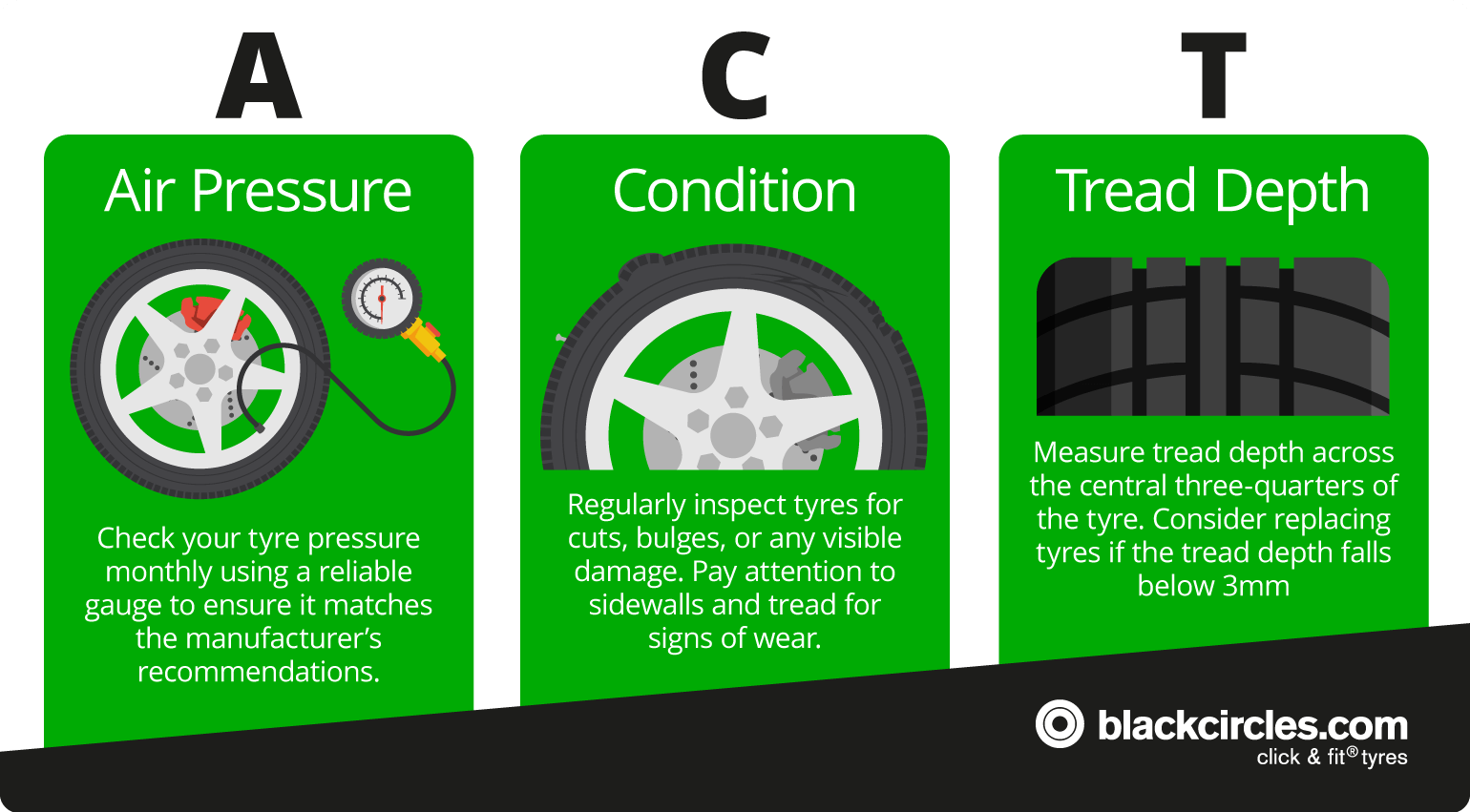
- Air pressure – Check tyre pressures at least once a month and before long journeys, using the manufacturer’s recommended settings.
- Condition – Inspect each tyre for cuts, bulges, cracks and any objects embedded in the tread.
- Tread – Ensure every tyre has at least the legal minimum tread depth of 1.6mm across the central three-quarters of the tyre.
Making these checks together helps young drivers understand that looking after a car is just as important as driving it safely.
“We urge all drivers to make tyre safety a habit by remembering our simple acronym ‘A.C.T’. By checking your tyres’ Air pressure, Condition, and Tread at least once a month – and before any long journey – you can significantly improve your safety on the road and avoid costly incidents.”
Stuart Lovatt, Chair of TyreSafe
Lead by Example With Your Driving Habits
Young drivers often copy the habits of the experienced motorists around them.
Parents who regularly check tyre pressures, replace worn tyres promptly and carry out simple vehicle safety checks are helping to reinforce positive behaviours. These small routines can become lifelong habits that improve safety and reduce the likelihood of preventable incidents.
It’s also worth encouraging young drivers to recognise when tyre performance changes. Reduced grip, increased stopping distances or uneven tyre wear can all indicate that a tyre needs attention.
Help Them Build a Simple Car Care Routine
Learning to drive is one thing. Looking after a car is another.
Many young drivers know how to operate a vehicle but have little experience maintaining one. Parents can help bridge that gap by encouraging a few simple monthly checks that soon become second nature.
Create a routine that includes:
- Checking tyre pressures.
- Measuring tread depth.
- Looking for cuts, bulges or uneven tyre wear.
- Topping up washer fluid.
- Checking engine oil.
- Making sure all lights are working.
Spending just ten minutes each month carrying out these checks can help prevent expensive repairs and reduce the likelihood of unexpected breakdowns.
Help Them Understand Dashboard Warning Lights
For many first-time drivers, dashboard warning lights can be confusing.
Taking a few minutes to explain what the most common warning lights mean can help young drivers know when it’s safe to continue driving and when a problem needs immediate attention.
Parents should make sure new drivers recognise:
- Tyre Pressure Monitoring System (TPMS) warning light.
- Engine management light.
- Brake warning light.
- Low oil pressure warning.
- Coolant temperature warning.
Ignoring these warnings can lead to more expensive repairs or compromise safety.
Encourage Driving in Different Conditions
Passing the driving test doesn’t mean a new driver has experienced every situation they’ll face.
Where possible, parents can accompany young drivers as they gain experience driving in:
- Heavy rain.
- Darkness.
- Motorways.
- Rural roads.
- Busy town centres.
Experiencing different road conditions with an experienced driver nearby can help build confidence while encouraging safer decision-making.
Handing Down the Family Car? Set Them Up for Success, Not Failure
For many young drivers, their first car isn’t a new purchase. It is often a car that’s been in the family for years.
While handing down a vehicle can save thousands of pounds, it’s worth remembering that an older car may need a little extra attention before it’s ready for a newly qualified driver.
Before passing over the keys, take the time to make sure the car is as safe and reliable as possible. A little preparation can give both you and your new driver greater confidence every time they head out on the road.
Consider checking:
- Tyres – Make sure all four tyres have plenty of tread, are correctly inflated and show no signs of cuts, bulges or uneven wear. If they’re approaching the end of their life, replacing them before handing over the car is an investment in your child’s safety.
- Brakes – If the brakes feel less responsive than they should or are making unusual noises, have them inspected by a professional.
- Service history – Ensure routine servicing is up to date and deal with any outstanding maintenance before the car changes hands.
- MOT – If the MOT is due soon, consider having it carried out before your child starts using the vehicle, giving you confidence that any issues have been identified and addressed.
- Lights and visibility – Check that every light is working correctly and replace worn windscreen wipers. Good visibility is especially important for inexperienced drivers.
- Dashboard warning lights – Don’t ignore warning lights in the hope they’ll resolve themselves. Any faults should be investigated before the car is driven regularly.
It’s also worth taking the car for a short drive together. Listen for unusual noises, check how it brakes and handles, and make sure everything feels as it should. Small issues that you’ve learned to live with could be unfamiliar, distracting or even unsafe for a new driver.
Handing down a car is about more than saving money. It’s about giving a young driver the best possible start. Ensuring the vehicle is properly maintained, fitted with safe tyres and up to date with its servicing and MOT helps reduce the risk of avoidable problems and allows them to focus on building confidence behind the wheel.
Buying a First Car? Check the Tyres First
If you’re helping a young driver choose their first car, don’t focus solely on mileage or service history.
Take time to inspect the tyres.
Look for:
- Adequate tread depth.
- Even wear across the tyre.
- No cuts, bulges or sidewall damage.
- Matching tyre sizes and specifications across each axle.
A used car fitted with worn or poor-quality tyres could require immediate replacement, adding unexpected costs and potentially affecting safety from day one.
Choosing the right tyres can also make a difference to confidence and performance. If you’re helping a learner or newly qualified driver choose replacement tyres, read our guide to the best tyres for new drivers.
Need new car tyres?
Enter your registration and postcode and we’ll show you the best tyres for your car
Safe Driving Starts With Proper Maintenance
Passing the driving test marks the beginning of a driver’s journey, not the end of it.
Parents can continue to make a positive difference by encouraging regular vehicle maintenance alongside safe driving habits. Something as simple as checking tyre pressures and tread depth every month can help young drivers stay safe, remain within the law and build confidence behind the wheel.
Tyres are one of the most important safety features on any vehicle. Looking after them is one of the simplest ways to protect yourself, your passengers and everyone else on the road.
Buy Tyres and Book Your MOT or Service at Blackcircles
At Blackcircles.com, you can book everything your car needs in one place, from new tyres and
MOTs to
servicing. With a network of more than 2,200 trusted partner garages across the UK, it’s easy to find a convenient local garage and book with confidence.
Regular tyre checks, timely servicing and annual MOTs all play an important role in keeping your vehicle performing at its best. By staying on top of essential maintenance, you’ll have greater peace of mind every time you get behind the wheel.
10 Tips Parents Should Share With New Drivers
1. Teach them how to check their tyres properly
Many new drivers don’t realise they’re legally responsible for the condition of their tyres, even if they’re driving someone else’s car. Take 10 minutes to show them how to check tyre pressures, measure tread depth and inspect for cuts, bulges or objects lodged in the tread.
Explain that tyres are the only part of the car touching the road, so they affect braking, steering and grip in every journey. Encourage them to make tyre checks part of a monthly routine rather than waiting until the MOT.
Tip: Do the first few checks together until they become second nature.
2. Help them understand what their car is telling them
A dashboard full of warning lights can be intimidating for a new driver. Instead of waiting until something goes wrong, explain what the most common warning lights mean and which ones require immediate attention.
Make sure they recognise:
- Tyre Pressure Monitoring System (TPMS).
- Brake warning light.
- Engine management light.
- Oil pressure warning.
- Coolant temperature warning.
Knowing the difference between a warning that needs urgent action and one that can be checked later could prevent expensive repairs or an unsafe journey.
3. Show them how to look after a car, not just drive one
Driving lessons teach people how to pass a test, but they rarely cover basic vehicle maintenance in detail.
Walk them through simple tasks like:
- Checking engine oil.
- Topping up washer fluid.
- Checking coolant levels.
- Replacing wiper blades.
- Knowing when a service or MOT is due.
Helping them understand these basics can reduce breakdowns, improve reliability and save money over time.
4. Explain why smooth driving matters
Many new drivers focus on getting from A to B, but how they drive affects both safety and the condition of the vehicle.
Harsh acceleration, heavy braking and taking corners too quickly all increase wear on tyres, brakes and suspension while reducing fuel efficiency.
Encourage them to look further ahead, anticipate traffic and drive smoothly. They’ll not only become safer drivers but they’ll also spend less on maintenance.
5. Encourage them to build experience gradually
Passing the driving test doesn’t mean they’ve experienced every type of road.
Help them build confidence by driving together in situations they may have had little experience with during lessons, including:
- Motorways.
- Night driving.
- Heavy rain.
- Country roads.
- Busy city traffic.
Gradually exposing new drivers to different road conditions allows them to gain confidence without feeling overwhelmed.
6. Teach them that driving safely starts before the engine is switched on
A two-minute walk around the car before a longer journey can prevent many common problems.
Encourage them to check:
- Tyres look correctly inflated.
- No obvious damage.
- Lights are working.
- Windscreen is clean.
- Fuel level is sufficient.
- Mirrors are clean and adjusted.
These quick checks become habits that can improve safety and reduce the risk of breakdowns.
7. Help them understand the true cost of owning a car
Many first-time drivers budget for buying a car but overlook the ongoing costs of keeping it roadworthy.
Talk through the importance of budgeting for:
- Replacement tyres.
- MOTs.
- Annual servicing.
- Brake pads and discs.
- Batteries.
- Unexpected repairs.
Understanding these costs makes it less likely they’ll delay essential maintenance because of unexpected bills.
8. Explain why tyre replacement isn’t something to delay
A tyre doesn’t suddenly become unsafe when it reaches the legal tread limit of 1.6mm. As tread wears down, particularly below around 3mm, its ability to clear water and maintain grip begins to reduce, increasing stopping distances in wet weather.
Encourage new drivers to regularly monitor tread depth and replace tyres before they become a safety concern, rather than simply waiting until they’re illegal.
9. Talk honestly about distractions and peer pressure
Many collisions involving young drivers aren’t caused by a lack of driving ability but by distractions inside the car.
Talk openly about:
- Using a mobile phone.
- Loud music.
- Friends encouraging risky behaviour.
- Feeling pressured to drive faster than feels comfortable.
- Driving when tired.
Remind them that it’s perfectly acceptable to ask passengers to quieten down or to pull over safely if they lose concentration.
10. Keep the conversation going after they’ve passed
Perhaps the most valuable thing a parent can do is stay involved.
Ask how journeys went. Discuss difficult situations they encountered. Offer advice without criticism, and encourage questions.
Learning doesn’t stop on test day. Every journey is another opportunity to build experience, confidence and safer driving habits.
Checking in regularly also gives you the chance to remind them about servicing, MOTs and tyre maintenance, helping ensure both they and their vehicle stay safe on the road.