Spotted a few drops of oil beneath your car? Or maybe there's a burning smell coming from the engine after a drive?
Oil leaks might seem like a minor nuisance – but if you’ve got an
MOT test coming up, they’re not something you can ignore.
In this guide, we’ll break down how oil leaks are assessed during an MOT, what counts as a
serious defect, and how to deal with leaks before test day to avoid a failure.
Can an Oil Leak Cause MOT Failure?
Yes – an oil leak can cause your car to fail its MOT, but not every leak means a guaranteed fail.
It all depends on how severe the leak is and whether it poses a risk to road safety or the environment.
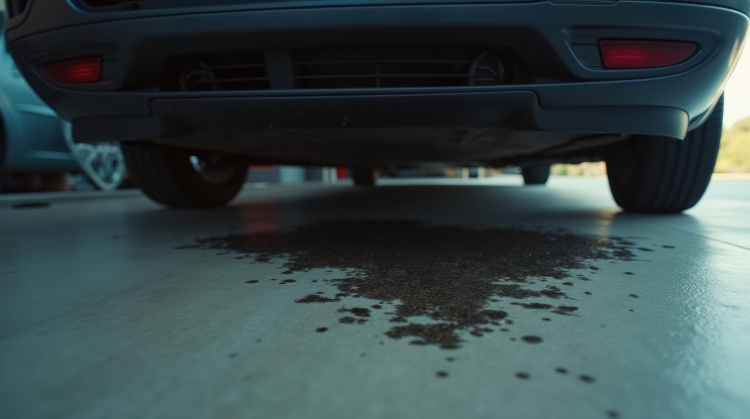
Creates a pool on the floor wider than 75mm within 5 minutes while the engine is idling, or
Is considered excessive, continuous, or likely to harm the environment or road users.
The most common types of fluids checked include engine oil, gearbox oil, brake fluid, power steering fluid, and fuel.
Minor weeps or residue usually won’t cause a problem – but an active leak that drips heavily or spreads quickly is a red flag.
How Oil Leaks Are Categorised During an MOT
During the MOT, the tester will visually inspect the vehicle with the engine running.
They’ll look underneath for fresh leaks and check the engine, and transmission for signs of oil loss.
Here’s a brief breakdown on how oil leaks are assessed and what each defect category means:
1. Excessive or Pooling Leak
Result: Major defect & MOT fail If oil is leaking fast enough to create a puddle more than 75mm in diameter within five minutes, the vehicle will receive a major defect. This applies even if the leak is from a non-essential component, as it's considered a safety and environmental concern.
2. Continuous Leak With Serious Risk
Result: Dangerous defect & MOT fail A leak that drips continuously and could pose a serious safety risk to you or other road users – such as leaking onto hot engine parts or brakes – is classed as dangerous. You won’t be allowed to drive the vehicle until it’s fixed.
3. Minor Leak or Weeping
Result: Advisory or pass If the leak is minor – for example, a small amount of oil seeping from an aged gasket but not dripping – the car may still pass. The tester may note it as an advisory, but it won’t result in a fail unless it gets worse.
How to Spot an Oil Leak Before Your MOT
Not every oil leak is obvious. Some build up slowly over time or go unnoticed until something smells burnt or your dashboard oil light flicks on.
Here’s how to catch a leak early:
Look for fresh spots under the car – dark brown or black puddles near the front of the vehicle often signal engine oil.
Check your oil level regularly – if it drops consistently without visible smoke or performance issues, you may have a hidden leak.
Watch for smoke or burning smells – oil dripping onto hot components can cause a sharp, acrid odour.
Listen for louder engine sounds – low oil levels reduce lubrication, which can make the engine sound rough or noisy.
What to Do If You Have an Oil Leak Before the MOT
If you suspect a leak, it’s best to have it looked at well before your MOT test.
Here’s what you can do:
Fix worn gaskets or seals – a simple replacement often solves the issue.
Check and replace the oil filter – this can loosen or become damaged during routine servicing.
Tighten or replace the sump plug – especially if the washer is missing or the threads are stripped.
Clean the engine – a clean engine bay makes it easier to monitor fresh leaks in future.
An alternative to DIY checks/actions is booking a car service, where a trusted local garage will inspect leakage from your car.
Final Thoughts
An oil leak isn’t always an MOT failure – but if it’s bad enough to drip heavily or pose a safety risk, you won’t pass the test.
The good news? Most oil leaks can be identified early, and the fixes are usually straightforward – especially if caught before they turn into major issues.
By staying on top of regular maintenance and sorting any leaks ahead of time, you’ll give your vehicle the best shot at passing its MOT first time.
Oil leaks commonly develop when rubber seals and gaskets harden, shrink, or break down with age, allowing oil to seep from areas such as the rocker cover, sump, or crankshaft seals. They can also be caused by issues like an incorrectly tightened or damaged drain plug, a faulty oil filter seal, or physical damage to the oil pan itself, such as cracks or corrosion.
Is an oil leak dangerous in a car?
Oil leaks can be anything from a small, low-risk seep to a serious mechanical hazard. Light weeping with no drips is often just monitored over time, but once oil is visibly pooling on the ground (around 75mm or more), it becomes a much more urgent issue. At that stage, the engine can suffer from insufficient lubrication, surrounding components like wiring and rubber hoses may degrade, and there is also a real danger of fire if leaking oil reaches hot exhaust components.
Is an engine oil leak expensive to fix?
Repairing an engine oil leak can vary widely in cost, from relatively affordable fixes to major, high-cost repairs. The price largely depends on where the leak is coming from and how much labour is required to access and fix it. Minor issues such as seals or drain plug problems tend to be on the cheaper side, while more serious faults like head gasket or rear main seal failures involve extensive strip-down work, making the repair significantly more expensive, with labour usually being the biggest cost factor.
PayPal Credit and PayPal Pay in 3 are trading names of PayPal UK Ltd, 5 Fleet Place, London, United Kingdom, EC4M 7RD. Terms and conditions apply. Credit subject to status and approval, 18+ UK residents only. PayPal Credit and PayPal Pay in 3 are a form of credit, so carefully consider whether the purchase is affordable and how you will make the repayments. PayPal Pay in 3 is a credit agreement. See product terms for more details and FAQs. Learn more about PayPal Credit.Learn more about PayPal Pay in 3.