
Save 15% off selected premium tyres
Today save 15% OFF the price of selected premium tyres. Use promotion codes at the basket.

...searching
Today save 15% OFF the price of selected premium tyres. Use promotion codes at the basket.
If you've ordered the wrong tyres, we'll correct your order free of charge. No hidden fees, just excellent value.

From £6.99 per tyre our Tyre Guarantee covers accidental damage, punctures and bulges. T&Cs apply.

To help you decide the best tyre type for you, here is a guide to the general differences between the tyres:


![System.Func`2[BlackCircles.Interfaces.IECommerceModuleData,System.String]](https://images.blackcircles.com/search/feature-ev.svg)


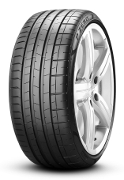

Unlike winter tyres, which are designed for cold temperatures, summer tyres are formulated with a firmer rubber compound that remains stable in warm weather.
This ensures they provide maximum road contact, reducing rolling resistance and improving overall efficiency.
Whether driving on hot surfaces or in sudden summer rain, summer tyres maintain their responsiveness, ensuring a smooth and controlled drive.
Summer tyres are designed with fewer sipes and a more solid tread block pattern, allowing for increased surface contact with the road.
This results in enhanced grip, precise cornering, and superior stability at high speeds.
The tread design also incorporates wide circumferential grooves, which effectively disperse water to reduce the risk of aquaplaning in wet conditions, making them a reliable choice for summer showers.
One of the standout advantages of summer tyres is their ability to offer precise and responsive handling.
The stiffer sidewalls and shallower tread depth contribute to better stability, ensuring quick and accurate steering feedback.
This makes them particularly well-suited for high-performance driving, where agility and responsiveness are key.
Summer tyres are designed for warm weather, delivering optimal performance on dry and wet roads in temperatures above 7°C. Their tread patterns and compounds provide excellent grip, handling, and braking efficiency.
While summer tyres perform well in mild, wet conditions, they lose flexibility in cold temperatures, reducing traction on snow and ice. For safer winter driving, switching to winter or all-season tyres is recommended based on local climate and road conditions.
Summer tyres offer superior grip, responsive steering, and stable cornering in warm conditions. Many premium tyres, like the Michelin Pilot Sport 5 and Goodyear Eagle F1 Asymmetric 6, feature advanced technology for enhanced performance on dry and wet roads.
Summer tyres provide strong grip in warm, wet conditions, with tread grooves designed to reduce aquaplaning. However, they are less effective in heavy rain or colder temperatures, where winter or all-season tyres offer better safety.
According to customer reviews, the most popular summer tyres include:
Summer tyres last longer in warm conditions but wear quickly in cold weather (typically at temperatures below 7°C). They outperform both all-season and winter tyres in heat, but may degrade faster than all-season tyres if used year-round.
Yes, summer tyres are legal in winter, but their performance drops below 7°C. The rubber hardens, reducing grip and braking efficiency, particularly on wet or icy roads. Switching to winter or all-season tyres is recommended for safer driving.
Store summer tyres in a cool, dry place away from direct sunlight and heat. Clean and dry them before storage, stack or stand them upright, and use tyre bags for protection. Indoor, temperature-controlled storage is ideal.
No, but it’s not recommended. Mixing summer and winter tyres affects handling and stability, as their tread designs are suited for different conditions. Using a full set suited to the season ensures better performance and safety.
Summer tyres excel in warm, dry conditions with optimised tread patterns for grip and efficiency. All-season tyres provide balanced performance across different weather conditions but don’t specialise in extreme heat or cold.
No, but it’s not advised. Combining summer and all-season tyres can lead to inconsistent grip and handling in varying conditions, reducing overall performance and safety.
Tyre pressure varies by vehicle model and tyre size. Maintaining correct pressure enhances safety, handling, and fuel efficiency. Check your vehicle handbook or the tyre label for the recommended pressure.
The 20 most popular summer tyre sizes, grouped by wheel diameter. All sizes shown are radial car tyres. Pick your rim size to see the matching summer options.