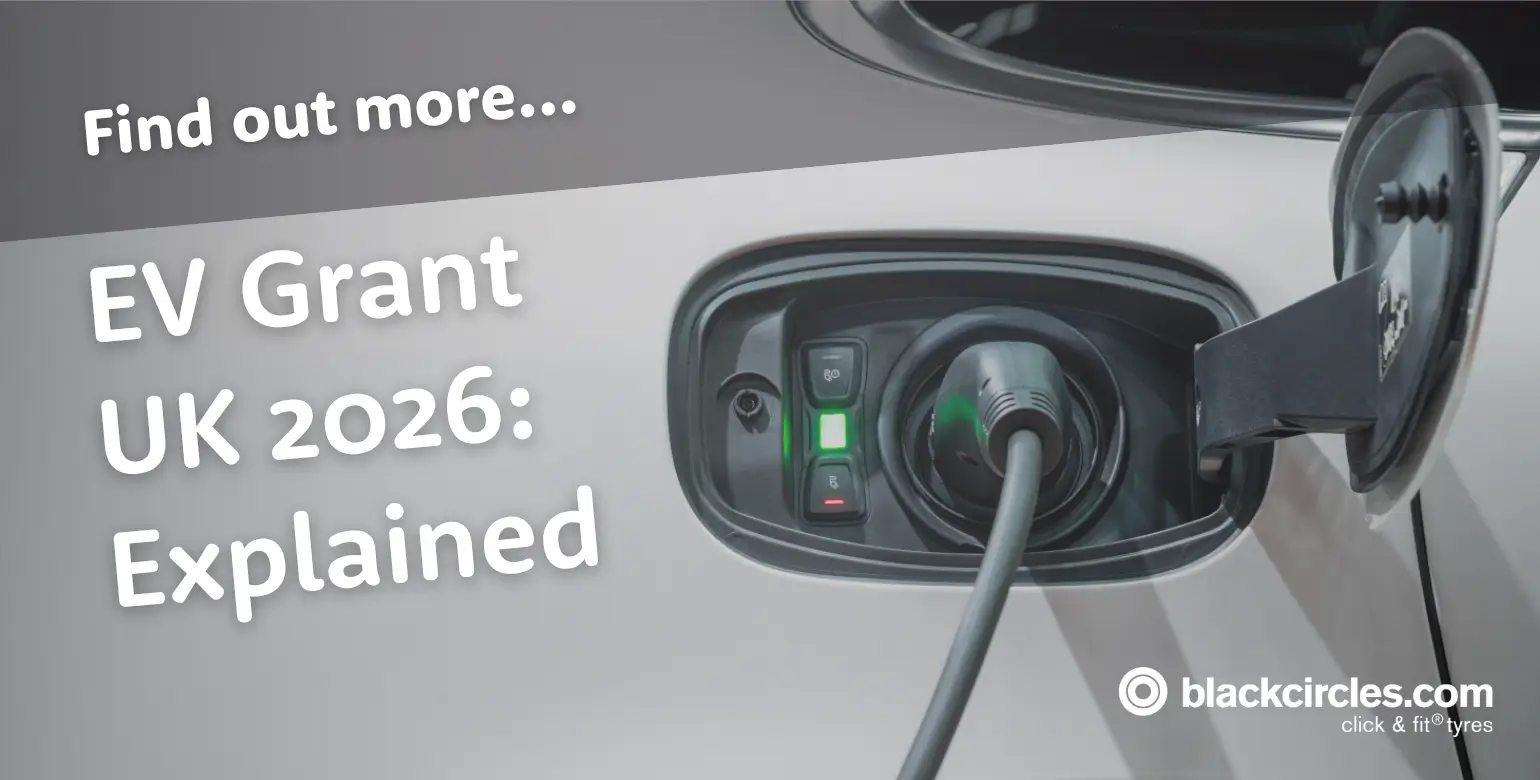
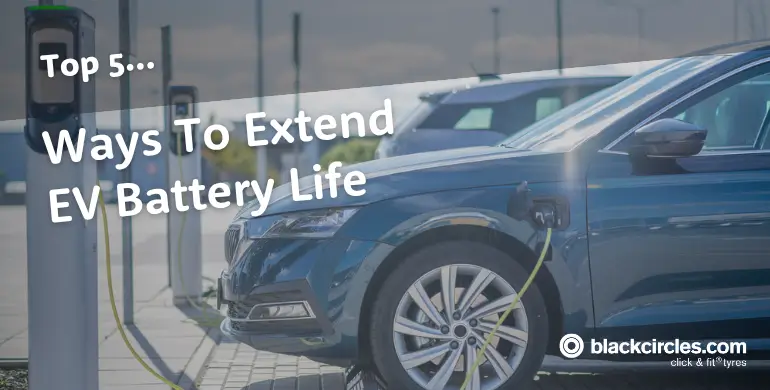
Switching to an electric vehicle (EV) is an excellent way to cut fuel costs and reduce emissions-but how much does it actually cost to charge an EV?
The answer depends on where and how you charge.
Whether you're topping up at home, using workplace charging, or relying on public charging stations, the cost varies significantly.
Cost to Charge an Electric Car at Home
Charging at home is the most convenient and affordable way to keep your EV running.
Taking some general pricing structures and ranges you can expect a pricing structure similar to the following*:
- Price cap home electricity rate (2025): 24.86p per kWh (based the
Ofcom energy price cap – 1 January to 31 March 2025)
- Cost to fully charge a 60kWh EV battery: 14.92
- Estimated driving range per full charge: 200 miles
- Cost per mile: 7.46p
*Please note this is a general summary and actual costs, charging times and range may differ depending on various criteria.
Cost to Charge at Work
Many UK employers now provide EV chargers, often at reduced rates or even free as an employee benefit.
- Some companies offer free workplace charging
- Others set a tariff - common rates range from 10p-30p per kWh
- Employers may offer limited free charging, then charge a fee to prevent hogging spots
Cost of Public EV Charging
Public charging costs vary depending on speed, location, and provider.
To find one, there are several apps which can help you to locate the nearest public charging point.
Based on average costings* you can expect the following:
- Standard (7-22kW): 40-50p per kWh (24- 30 per full charge)
- Rapid (50kW): 65-80p per kWh (39- 48 per full charge)
- Ultra-Rapid (100kW+): 85p- 1.20 per kWh (51- 72 per full charge)
*Please note this is a general summary and actual costs, charging times and range may differ depending on various criteria.
Cost of Rapid & Ultra-Rapid Charging
Rapid chargers (50kW+) are becoming increasingly popular and available at most motorway service stations. They do however, come at a higher cost to charge.
On average when using one of these charging points you can expect:
- 50kW chargers: 19 for 30 minutes (around a 90-mile boost)
- 100kW+ ultra-rapid chargers: 25 for 20 minutes (roughly 150-mile boost)
EVs: Home vs Public Charging
Charging at home is nearly always cheaper than using public chargers.
Depending on your tariff and plan, you may find a difference in costings.
However, on average, the following can be expected.
Charging Location | Cost per kWh | Cost for 60kWh Charge | Cost per Mile |
Home (EV Tariff, Night Rate) | 10-15p | 6- 9 | 3p-4.5p |
Home (Standard Rate) | 24.86p | 14.92 | 7.46p |
Public Slow (7-22kW) | 40-50p | 24- 30 | 12p-15p |
Rapid Charging (50kW) | 65-80p | 39- 48 | 19p-24p |
Ultra-Rapid (100kW+) | 85p- 1.20 | 51- 72 | 25p-36p |
Of course it is worth noting that the more you charge at home, the higher your household energy bills will become.
EV Charging vs Fuel
Let’s compare costs over 10,000 miles based on some average costs:
Fuel Type | Cost per Mile | Annual Cost (10,000 miles) |
Petrol Car (40mpg, 1.50/litre) | 17p | 1,700 |
Diesel Car (50mpg, 1.55/litre) | 14p | 1,400 |
EV (Home Charging at 10p/kWh) | 3p-4.5p | 300- 450 |
EV (Public Rapid Charging at 75p/kWh) | 20p | 2,000 |
How to Keep EV Charging Costs Low
Charge at home whenever possible. Especially overnight if you are on an EV-friendly energy tariff.
- Use free workplace charging if available.
- Avoid rapid/ultra-rapid charging unless necessary.
- Use Zap-Map to compare prices before plugging in.
- Consider solar panels for even lower home charging costs.
Going electric can save thousands over the years, but only if you charge smartly.
EV Charging FAQs
Is it cheaper to charge an EV than fill up a petrol car?
Yes, especially with home charging. Rapid public chargers, however, can be pricier than petrol.

How long does it take to charge an EV?
Anywhere from 30 minutes (rapid chargers) to overnight (home charging).
Are there free EV charging stations?
Yes! Some supermarkets, hotels, and workplaces offer free charging.