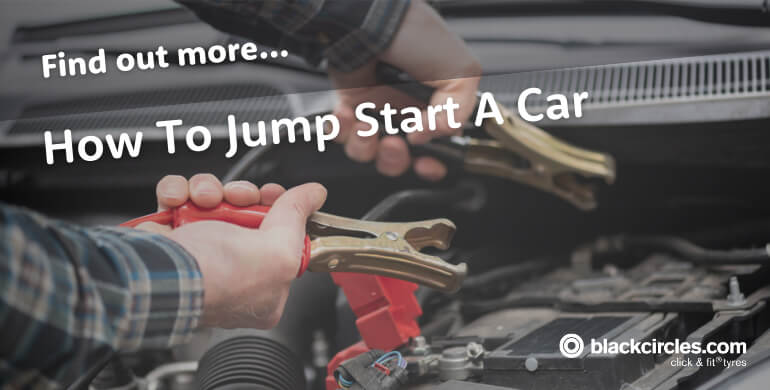
If your car will not start and you hear a slow crank or just a clicking sound, a flat car battery is the most likely cause.
Knowing how to jump start a car safely can get you moving again without waiting for recovery.
However, modern vehicles contain sensitive electronics. Incorrect use of jump leads or a battery booster pack can cause damage or even injury.
If at any point you feel unsure, it is always safer to contact a breakdown professional.
How Do You Know If The Battery Is Flat?
Common signs of a flat battery include:
- The engine turns over slowly or not at all
- A rapid clicking noise when turning the key
- Dashboard warning lights flickering
- Electrical systems working weakly or not at all
- The central locking failing
If the engine does not crank and the lights remain bright, the issue may be the starter motor or another electrical fault rather than the battery.
Before attempting a jump start, check the battery for visible damage. Do not proceed if the battery casing is cracked, leaking, heavily corroded or smells strongly of sulphur.
What You Will Need
To start, there are some tools that are both essential and recommended/optional to get your car jump started.
Jumper Cables (also known as jump leads)
Firstly and most importantly, jumper cables are a necessity to help jump start your car. Jump leads are simple to use and are extremely convenient to have in your car in case your battery does indeed become flat.

Another Vehicle with a Working Battery
Another vehicle beside yours is another necessity when your car’s battery is flat. Ideally, the car next to yours will have at least the same voltage battery as your flat battery. Which is typically 12-volts.
Safety Equipment
It is highly recommended that you have safety equipment to protect you from potential sparks or battery acid. The safety gear required would be safety glasses and gloves which will keep you as protected as possible.
Vehicle Handbook (Optional)
Having a vehicle handbook to refer to any situation with your car is never a bad thing – these may include instructions regarding the vehicle’s batteries and instructions on jump starting your car.
Step-by-step Guide
Gather Appropriate Tools and Other Vehicle
As outlined above, there are tools you will need to have to ensure your car’s battery gains power again – these include jumper cables and another car right next to yours.
Identify The Terminals
Locate the positive (+) and negative (–) terminals on both batteries. The positive terminal usually has a red cover or marking.
Step-By-Step Connection Order
- Connect one red clamp to the positive (+) terminal of the flat battery.
- Connect the other red clamp to the positive (+) terminal of the donor battery.
- Connect one black clamp to the negative (–) terminal of the donor battery.
- Connect the remaining black clamp to a solid metal earth point on the engine block or chassis of the car with the flat battery. Do not connect it directly to the negative terminal on the flat battery unless the manufacturer specifies otherwise.
Starting The Vehicles
- Start the donor vehicle and allow it to run for several minutes.
- Attempt to start the car with the flat battery.
- Do not crank for more than five seconds at a time. Wait at least 30 seconds between attempts.
If the car does not start after several attempts, stop. There may be a more serious fault.
Disconnecting The Leads Safely
Once the engine starts:
- Switch off both engines.
- Remove the black clamp from the previously flat vehicle.
- Remove the black clamp from the donor battery.
- Remove the red clamp from the donor battery.
- Remove the red clamp from the previously flat battery.
Keep the clamps away from moving parts during removal.

What if my car won’t start after a jump?
If your car doesn’t start after a jump, check the cable connections and ensure they are properly attached. Wait a few more minutes and try again.
If the battery is too weak or faulty, it may not hold a charge.
Other issues, such as a bad alternator or starter, could also be the cause. If the car still won’t start, seek professional help.
Is it safe to jump-start a car in the rain?
Yes, it is generally safe, but take precautions. Avoid touching metal parts, ensure secure cable connections, and keep the jumper cables dry to prevent short circuits.
Drive Safely
Once you have driven safely for that timeframe, your car’s battery should be fully charged and ready to go. Please note that it is recommended to avoid using electrical accessories such as the radio, air conditioning, phone chargers, or headlights (if headlights are not necessary), as they will use more electrical power and may slow the recharging process.

If the battery is 3-5 years old, you may require a battery replacement since the battery will be more susceptible to not holding charge.
If you are unsure on what to do next regarding your battery if there are still issues persisting, please consult a professional to help you with your next steps.
Jump Starting & Battery Issues: Frequently Asked Questions
Does jump starting damage a car?
If performed correctly, jump starting should not cause damage. Incorrect connection order, poor-quality leads, or removing leads while engines are running can result in electrical faults.
Can you jump start an automatic car?
Yes. The process is the same as for a manual vehicle. Ensure the car is in Park with the handbrake applied.
Why does my car battery keep going flat?
Common causes include:
- An ageing battery
- A faulty alternator
- Electrical drain from accessories
- Interior or boot lights remaining on
A battery test can confirm whether replacement is required.
Is bump starting recommended?
Bump starting is not recommended for most modern vehicles. It can damage catalytic converters and may not work with many newer cars.