
Save up to £40 off selected tyres
Today save up to £40 OFF the price of selected tyres. Use promotion codes at the basket.

...searching
Today save up to £40 OFF the price of selected tyres. Use promotion codes at the basket.
If you've ordered the wrong tyres, we'll correct your order free of charge. No hidden fees, just excellent value.

From £6.99 per tyre our Tyre Guarantee covers accidental damage, punctures and bulges. T&Cs apply.

To help you decide the best tyre type for you, here is a guide to the general differences between the tyres:


![System.Func`2[BlackCircles.Interfaces.IECommerceModuleData,System.String]](https://images.blackcircles.com/search/feature-winter.svg)
![System.Func`2[BlackCircles.Interfaces.IECommerceModuleData,System.String]](https://images.blackcircles.com/search/feature-ev.svg)

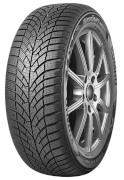


Winter tyres are specifically engineered to provide optimal performance when temperatures fall below 7°C.
Unlike summer tyres, which become rigid in the cold, winter tyres retain their elasticity.
This ensures better contact with the road surface, enhancing braking efficiency, acceleration, and cornering stability.
Whether driving on damp roads, icy roads, or fresh snow, winter tyres help maintain consistent and predictable handling.
The soft rubber compound used in winter tyres is designed to remain pliable even in freezing conditions.
This flexibility allows them to conform to the road surface, increasing grip and improving overall stability.
Furthermore, the deeper tread patterns and numerous sipes – thin slits in the tread blocks – help to disperse water, slush, and snow more effectively.
This not only enhances traction but also reduces the risk of aquaplaning, ensuring a safer driving experience.
Winter tyres are designed with an advanced tread pattern that features wider grooves and biting edges to provide superior grip on snow and ice.
The increased number of sipes creates extra biting surfaces that help the tyre latch onto slippery surfaces, offering better stability and improved steering response.
This design minimises wheel spin during acceleration and allows for more controlled braking, which is crucial in adverse weather conditions.
Winter tyres improve safety in frost, snow, and icy conditions by enhancing grip, handling, and braking. Their flexible rubber and deep tread pattern provide better traction on slippery roads. However, drivers should still practice safe driving, including keeping longer distances and reducing speed in winter conditions.
It’s best to fit winter tyres on all four wheels for balanced traction and handling. Using only two winter tyres can lead to uneven grip, affecting braking and stability. While some drivers fit two on front or rear-wheel drive vehicles, full sets provide the safest and most effective winter performance.
Winter tyres should be fitted when temperatures drop below 7°C or before the first snowfall. Their tread and rubber compound are designed to handle ice, snow, and freezing conditions. Adjust your driving style to suit road conditions, even with winter tyres fitted.
Winter tyres can slightly increase rolling resistance, leading to marginally lower fuel efficiency. However, the difference is usually minimal and offset by improved safety and handling in cold weather. To optimise fuel economy, maintain proper tyre pressure and consider low-resistance winter tyre options.
Winter tyres are designed for cold, snowy, and icy conditions, with a softer rubber compound for flexibility and a deep tread for traction. In warm, dry weather, they wear faster and don’t provide the same performance as summer or all-season tyres. Switching tyres based on their seasonal capabilities ensures better handling and longevity.
Yes, winter tyres offer superior grip and braking on icy roads. Their specialised rubber stays flexible in freezing temperatures, while deep grooves and sipes improve traction and reduce the risk of slipping. However, cautious driving is still necessary in extreme conditions.
Winter tyres wear quicker in warm weather due to their softer compound. However, in cold conditions, they provide optimal durability and grip. To extend their lifespan, use them only during winter and switch to summer tyres when temperatures rise.
Winter tyres are not ideal for summer use. In temperatures above 7°C, they wear down faster and don’t provide the same grip and efficiency as summer or all-season tyres. Switching tyres seasonally ensures better performance and safety year-round.
Winter tyres excel in cold, wet conditions, with deep grooves and softer rubber improving grip and reducing aquaplaning. However, in warm, wet weather, summer tyres offer better precision and braking performance.
Winter tyres are not legally required in the UK but are recommended in areas prone to frost, snow, and ice. While some European countries mandate them, UK drivers choose them voluntarily for added safety during winter months.
Winter tyres can be slightly louder due to their deeper tread and softer rubber, which create more road contact. However, modern winter tyres are designed to minimise noise, and the difference is often subtle at lower speeds.
Mixing winter and all-season tyres isn’t recommended, as it leads to unbalanced grip and handling. Different tread patterns and compounds affect braking, cornering, and stability. For optimal safety and performance, always use four matching tyres suited to the season.
The 20 most popular winter tyre sizes, grouped by wheel diameter. All sizes shown are radial car tyres. Pick your rim size to see the matching winter options.